मारुतीनन्दन पञ्चाङ्गमाथि कोलम्बसमा छलफल सम्पन्न

नेपाली सम्वाददाता / कोलम्बस, ओहायो       

विगत पाँच वर्षदेखि प्रकाशनमा ल्याएको मारुतीनन्दन नेपाली पञ्चाङ्ग तथा भित्तेपात्रोको छैठौ प्रकाशन गत आइतबार (डिसेम्बर ८) एक समारोहबीच कोलम्बसस्थित बि. सी. सी. ओ. को कार्यालयमा सार्वजनिक गरियो । यस पञ्चाङ्गले जनमानसमा जन्माएको भ्रमलाई निवारण गर्न पनि यो कार्यक्रम राखिएको थियो । 

हिन्दु परम्पराअनुसार प्रयोग गरिने पञ्चाङ्गको भुटानी र नेपाली हिन्दुहरुले आफ्ना चाडपर्व र जन्म-मृत्युका संस्कार गर्न व्यापक प्रयोग गरिरहेको र अमेरिकाको भूमिमा यसको समय-सापेक्ष प्रयोग गरिनु पर्छ भन्ने मूल सन्देश जनाउन यो कार्यक्रम आयोजना गरिएको थियो ।  ज्योतिष तथा आध्यात्मिक अनुसन्धान केन्द्रका निर्देशक डा. लक्ष्मीनारायण ढकालका अनुसार नेपाल या भारतमा प्रयोगका लागि लेखिएका पञ्चाङ्गले अमेरिकी महादेशमा ज्योतिष गणना फरक हुने र तिथिहरूभिन्न ठाउँमा भिन्न समयमा पर्ने भएकाले यो पात्रो आवश्यक भएको हो । 

मारुतीनन्दन पञ्चाङ्गबारे धेरै भ्रम र प्रश्न भएको सन्दर्भमा पनि यो कार्यक्रम आयोजना गरिएको थियो ।  पञ्चाङ्ग लेखक ज्योतिष पद्मलाल ढकालले यी भ्रम र साधारण प्रयोगकर्ताले बुझ्नुपर्ने कुरालाई प्रष्ट पार्दै भन्नुभयो, “यो पात्रो अमेरिकाको पूर्वीय समय क्षेत्र (न्यु योर्क ) मा आधारित छ र पश्चिमका अरु समय क्षेत्रमा हुने प्रयोगकर्ताले दिएको फरक समय-तालिकाअनुसार यो पञ्चाङ्ग हेर्नु पर्छ।”

यस वर्षको पञ्चाङ्ग नेपाली नयाँ वर्षबाट शुरु हुने गरी बनाएकाले पन्ध्र महिनाको भएको जानकारी लेखक ज्योतिषी पद्मलाल ढकालले भेलामा गराउनु भयो । 

”तिथिहरू प्राय: अमेरिकी भू‍-भागमा पहिले नै आउने कारण उहाँले अक्षांश र देशान्तरका आधारमा गरिएको समय गणना, पृथ्वीको चक्रिय घुम्ने क्रिया र चन्द्रमाले पृथ्वीको वरिपरि घुम्दा बनिने कोणका आधारमा सुक्ष्म गणनाअनुसार निर्धारण गरिन्छ”, भन्नु भयो। 

सो कुराको पुस्टि गर्न नर्वेमा भएका रमेश गौतमले लेखेको अंग्रेजी सोध-लेखको सार बुद्धमणि ढकालले कार्यक्रममा प्रस्तुत गर्नुभयो । 

कार्यक्रमको अवसरमा मारुतीनन्दन पंन्चाङ्ग र भित्ते-पात्रो प्रकाशन समितिमा रहेर सल्लाह र सहयोग गर्ने ज्योतिषी लक्ष्मीनारायण मिश्र, भवानी बजगाईं, वयोवृद्द ज्योतिषी गोविन्द प्याकुरेल, निर्णायक समितिका सदस्य ज्यो. भिम प्र. लामीटारे र सह-सम्पादक ज्यो. राजेन्द्र खनाल र ज्योतिषी ओम नेपाललाई केन्द्रका तर्फबाट आभार-पत्र दिइएको थियो। 

पण्डित वेदनिधि सुवेदीको विशिष्ट आतिथ्यमा भएको कार्यक्रम कोलम्बसबासी भुटानी समाजको तत्वाधानमा भएको थियो। 

आफ्नो मन्तव्यमा अतिथि वेदनिधि सुवेदीले मारुतीनन्दन पञ्चाङ्गले अमेरिकी समयअनुसारको गणना गरेर तिथि, मुहुर्त, पर्व किटान गरेकाले यसमा विवाद छैन भन्नुभयो, “त्यसै कारणले मैले अघि लेख्दै आएको भित्ते-पात्रोको कामसमेत उहाँहरुले नै गर्नुहोस भनेर जिम्मा लगाएको हुँ ।”

केन्टकी लुइभिल नगरमा कार्यालय रहेको ज्योतिष तथा आध्यात्मिक अनुसन्धान केन्द्रले सन् २०१५ यता पञ्चाङ्ग र भित्ते-पात्रो  प्रकाशन गर्दै आएको छ । 

बिएएससीको दशौं टुर्नामेन्ट अर्को वर्ष जुलाईमा

पेन्सलभेनिया । भूट्निज अमेरिकन स्पोर्ट्स काउन्सिल (बिएएससी) को दशौं टुर्नामेन्ट अर्को वर्ष जुलाईमा हुने भएको छ । संस्थाको १० औं वार्षिकोत्सव तथा अमेरिकी स्वतन्त्रता दिवस पारेर २०२० जुलाई ३-५ मा उक्त टुर्नामेन्ट साउथ डकोटाको सुअ फल्समा गर्न लागिएको छ ।

संस्थाले शुक्रबार (नोभेम्बर ८, २०१९) मा एक विज्ञप्ति जारी गर्दै भनेको छ, ”टुर्नामेन्ट आयोजकको जिम्मा भूट्निज नेपालिज युथ अफ सुअ फल्स (बिएनवाइएसएफ) ले पाएको छ । छ राज्यले आयोजनाको इच्छा देखाए पनि सबै आवश्यकता र नियमहरू पूरा गरेकाले साउथ डकोटा छानिएको हो ।”

टुर्नामेन्टबारे थप जानकारीका लागि बिएएससीका संयोजक महेन्द्र राईलाई [email protected] वा आयोजक संस्थाका ललित गुरूङ्गलाई [email protected] सम्पर्क गर्न सकिन्छ ।

सन् २०११ मा स्थापित भूट्निज अमेरिकन स्पोर्ट्स काउन्सिल (बिएएससी) सन् २०१६ मा गैरनाफामुखी संस्थाका रूपमा दर्ता भएको छ ।

ह्यारिसवर्गमा विष्णु पुराण विशेष कार्यक्रम हुँदै

ह्यारिसवर्ग (पेन्सलभेनिया) । पेन्सलभेनिया राज्यको ह्यारिसवर्गमा बिहिबारदेखि पञ्च दिवसीय श्री विष्णु पुराणको आयोजना हुने भएको छ । उक्त कार्यक्रम स्थानीय श्री लक्ष्मीनारायण मन्दिरमा नोभेम्बर १४ देखि १८ सम्म हुनेछ ।

उक्त कार्यक्रम आयोजक संस्था श्री वैष्णव परिषद् ह्यारिसवर्गको प्रथम वार्षिकोत्सवमा गर्न लागिएको हो । कार्यक्रम स्थल श्री लक्ष्मीनारायण मन्दिर एवम् जगद्गुरू योगिराज श्री कमलनयनाचार्य स्मृति-पीठ ६६०१ क्लियरफिल्ड स्ट्रिट, ह्यारिसवर्गमा रहेको छ ।

उत्तर अमेरिकाको संभवत पुराणरत्न पहिलो विष्णु पुराणको कार्यक्रम बिहान ८ देखि शुरू भएर साँझ ७-८ बजेसम्म चल्नेछ ।

Mental Health First Aid Training Held in Texas

26,644

A day-long mental health first aid training has been successfully completed in Fort Worth, Texas, Sunday.

Punya Foundation US organized the training that was sponsored by the Office of Refugees Resettlement (ORR) and the Center for Survivor of Torture (CST).

ORR sponsored airfare and hotel expenses of one of the trainers and also manuals. While, CST contributed for venue and travel expenses for additional trainer.

Local donors including World Financial Group (WFG) contributed for breakfast and lunch. WFG also held half an hour session educating participants on financial education.

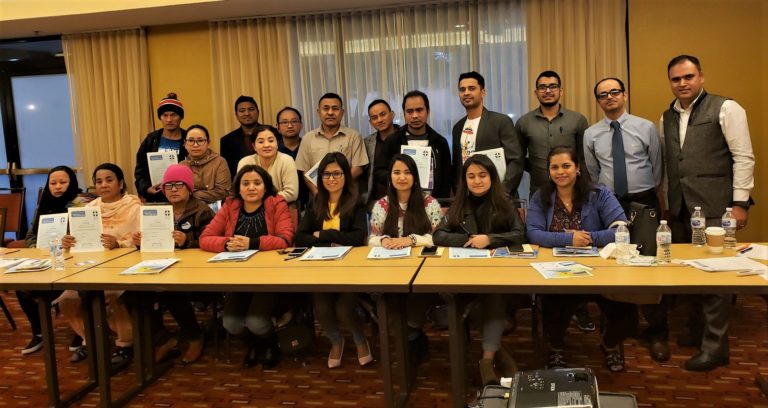
Around 37 individuals ranging from 16 to 60 years from both the Bhutanese and Nepalese communities attended the event, Sudip Adhikari, the Foundation president, informed Bhutan News Service.

Trainer Subedi conducting his session during the training (Photo courtesy: Punya Foundation)

The facilitators trained the participants on various aspects of mental health. Mental health problems faced by resettled Bhutanese, anxiety disorder, first aid for developmental mental health problems and crisis were among other topics highlighted by the training.

Community mental health trainers Parankush Subedi and Ashok Gurung also discussed various topics including how to handle mental health issues within themselves or someone they know in the community.

Several participants commented that such a training was very useful for addressing the burning mental health challenges faced by the Bhutanese community in the United States.

“It was an informative training,” Govinda Timsina said, “I want to thank Punya Foundation for providing me an opportunity to be a part of this.”

Punya Foundation, who has been operating as a non-profit since 2010, has been providing scholarships to various 143 students in Nepal and some in Kenya. The Foundation has also been conducting empowerment programs in various places. It’s registered Australia, United States, Nepal and Canada.

Reported by Gopal Adhikari for BNS from Texas.

Why ‘Tithis’ Come Earlier in America?

26,644

More than a decade has passed since the first Bhutanese family got resettled. Despite the augmented concerns that the Bhutanese community is losing the essence of the intact cultural and linguistic bonds, moral values and religious (and/or spiritual) credence, many opine that the community has been managing well through the transition. It is not difficult to imagine how the dynamics and the status of the exiled Bhutanese people got metamorphosed after the resettlement. For the majority of the resettled population, nothing is a perceptible success story than the fact of being able to forget back pains and miseries, troubles and adversities, uncertainties and misfortunes and start life over again from scratch.

However, they have been carrying their cultural bags along with them as they carried them when they migrated to Bhutan hundreds of years ago. For these people, a celebration at the festival is not merely partying but observing the rituals rooted deeply in their cultural practices. These values and the norms that govern cultural events have always been vital for them.

The past few years have seen increased engagements regarding the celebration dates of major festivals. Some of the Bhutanese astrologers have proposed different dates for Dashain and Tihar (and other tithis) celebration in America (in fact, many existing online Panchangas had mentioned this earlier). The discussions, agreements, and disagreements regarding this proposal that have flooded in social media conspicuously reveal how concerned (and confused?) the community is towards such issues.

The sketchy knowledge the author possesses about Hindu astrology is not sufficient to interpret and derive a concluding remark on ongoing arguments regarding when the astrological tithis occur in different parts of the world. This article will try to explore the mathematical and astronomical principles that outline the foundation of the calendars that govern the occurrences of tithis.

Calendar: more than just a time tracking tool

Human civilization has implemented different measures for timekeeping and calendar-building from the prehistoric era.  There are different types of calendars proposed and brought into use.  Some of these are based on the progression of the seasons as the earth revolves around the sun. These are called solar calendar. Other calendars are based on the phases of the moon and are called lunar calendars. Sometimes both the solar year and the lunar phases are considered, and thus the lunisolar calendars are developed. There are six principal calendars in use today, viz. the Gregorian, Jewish, Islamic, Indian, Chinese, and Julian calendars. Among these, the Gregorian calendar is the civil calendar in use around the world [1]. This is a solar calendar.

In the Indian subcontinent, the Hindu calendar, with several regional variants, forms the basis of timekeeping and calculating the occurrences of the Hindu festivals. Though the Indian calendar and the Hindu calendar are not the same, they are often interpreted as synonymous with one another.

Hindu Panchanga: a multidimensional calendar

The earliest Vedic calendar that forms the foundation of the modern Hindu calendar (Panchanga) originated in India around 7000 BC [2]. Hindu Panchanga is a complex lunisolar calendar that provides multidimensional methods of structuring time, combining information about lunar days, solar days, lunar months, solar months, the movements of the Sun and the Moon in relation to stellar constellations, and other astronomically defined time spans [3].

As the name suggests, Panchanga has five essential limbs (components): Tithi (that serves the purpose of date), Nakshatra (the name of the star cluster amongst which the moon is located at that instant), Var (day of the week), Karana (half of the tithi at that time) and Yoga (the sum of the Bhogansh of moon and sun at that moment) [4]. The calculation of these components follows the established astronomical principles, but their significance is given by astrology. Though the western scholars do not accept astrology as science and term it as pseudo-science or insurgent knowledge, the Indian scholars argue that astrology is being forced to be the dark and shadowy twin of astronomy [5].  Panchanga guides the religious, cultural and ceremonial life of Hindus across the globe.

Tithi: a lunar day

For the general public, the tithi is undoubtedly the most known component of Panchanga.  Like our Earth revolves around the Sun completing a cycle in 365.25 days, the Moon revolves around our Earth. The periodicity for this revolution (of the Moon around the Earth to reach the same visual phase; synodic month) is about 29.5 days. One complete revolution of the Moon occupies 30 tithis. Each tithi is, in fact, a phase of the Moon on a given time of a year.  There are 15 tithis from Pratipada to Amavasya during Krishnapakshya and 15 tithis from Pratipada to Purnima during Suklapakshya.  Table 1 below indicates the names of the tithis in Krishnapakshya and Suklapakshya starting from the full moon day.

Table 1: Names of tithis starting with Full Moon [6].

Drawing parallels between tithis and lunar phases

We have seen that the tithis are dependent upon the revolution of the Moon around our Earth. Because of this revolution, the Moon’s appearance undergoes a regular cycle of changes, called the phases, taking roughly 29.5 days to complete [7].  Due to the difference in the periodicity of the revolution of the Earth around the Sun and the revolution of the Moon around the Earth, at some point, the Moon comes between the Sun and the Earth. At this instant, the Moon is invisible. This is called the new Moon.

Figure 1: Phases of the Moon. The illustration is adopted from Astronomy Today by Eric Chaisson and McMillan Stephen [7]

As the motion of the Moon progresses in the anticlockwise direction, the lightened portion of the Moon increases (waxes) until we see the full Moon about two weeks after the new Moon. This Moon from the new Moon to the full Moon through growing crescent, quarter Moon and growing gibbous is called waxing Moon. The waxing period of the Moon is called Shuklapakshya in Panchanga. During the next 2 weeks, the Moon wanes (or shrinks), passing in turn through the gibbous, quarter, crescent phases and eventually becoming new again.  The Moon on this path is called the waning Moon which is called Krishnapakshya in Panchanga. There are eight lunar phases: four primary (new Moon, first quarter, full Moon and third quarter) and four intermediate phases (waxing crescent, waxing gibbous, waning gibbous and waning crescent). The Hindu Panchang has thirty similar phases as mentioned in Table 1.

Figure 2: Occurence of Amavasya (A) and Purnima (P) and other tithis according to the Hindu Panchang.

The occurrence of tithis and phases of the Moon around the world

After establishing that the tithis are like the lunar phases explained by modern astronomy, let’s see when two primary lunar phases, the full Moon and the new Moon, occur in different parts of the world this month. The new Moon and the Full Moon are considered because it will be easier to compare them with Amavasya and Purnima respectively mentioned in the Hindu Panchang.   The full moon day in the month of October this year is the last day of Dashain, while the new moon day is the Laxmi Puja in Hindu Panchang. Table 2 below shows the occurrence of the full Moon and new Moon in New York (USA), Oslo (Norway), Kathmandu (Nepal) and Adelaide (Australia).

Table 2: Occurrence of the full Moon and new Moon in different parts of the world. Data adapted from timeanddate.com [8], mooncalc.org [9], Drik Panchang [10] and Marutinandan Patro [11].

The data are taken from four different sources: Timeanddate.com, Mooncalc.org, Drik Panchang, and Marutinandan Patro. The first two databases are based on modern astronomy. Drik Panchang is an online calendar based on the principles of Hindu Panchang and developed by Adarsh Mobile Applications LLP, a Bangalore based software and IT company. Marutinandan Patro is a Hindu Panchang written by Bhutanese Jyotish Padam Lal Dhakal and published by Jyotish evam adhyatmik anusandhan kendra based in Louisville, Kentucky. The publisher of the patro mentions that it is based on Eastern Standard Time (UTC-5). It should be remembered that New York City in this time zone is currently on Eastern Daylight Time (UTC-4).

So, why do phases of moon and tithis occur earlier in America?

As it is clear from Table 2, the tithis (lunar phases) seem to first occur in the west and progress subsequently to the east with respect to how we measure time today. With some minor differences, all the four sources cited here agree with the timeframe of their occurrence.

Mathematical interpretation

Tithi is defined as the time taken for the angular separation between the Sun and the Moon to change by 12 degrees [12].  When Sun and Moon are at the same longitude, a new lunar month of 30 tithis starts. As time progresses, Moon will go ahead of Sun. When Moon’s longitude is exactly 12° greater than Sun’s longitude, the first tithi or lunar day finishes and the second tithi starts. When Moon’s longitude is exactly 24° greater than Sun’s longitude, the second tithi finishes and the third tithi starts and so on [13]. In Vedānga astronomy, a tithi was a 1/30 part of a synodic month, where the equation of center was not known [14].

The procedure explained here is just a general way of finding an approximate tithi of a lunar month. Precise calculations involve also other correction factors to be considered [6]. But the time of the tithis differs an average of less than only 13 minutes between the traditional and astronomical calculations [15].

A tithi is 23 h 37 m 28 s long on average. Kepler’s laws of planetary motion are valid for this motion too. So, the duration of a tithi varies from a minimum of about 22 hours to a maximum of about 26 hours. Tithis are calculated from the geocentric longitudes of the Sun and the Moon, and so they begin and end the same time throughout the world.

Astronomical interpretation

Unlike several other events, the phases of the Moon (and thus, the occurrences of the tithis) are the global events. This means that they occur simultaneously throughout the world. As explained earlier, the full Moon occurs when the Moon is 180 degrees to the opposite of the Sun. This is the same wherever we live. But since we have different time zones, these events seem to occur at a different time in different places in the world.

The measurement of time is a human construct. The position of Greenwich in the United Kingdom was adopted as the main time in the 19th century and today we still base the global time-zones off that universal time[16].

And how different time?

Let’s take an example from Table 2. New York has a full Moon on 13th October at 17:07. When it is 17:07 in New York, it is already 23:07 (6.0 hrs ahead) in Oslo. Similarly, it is 02:52 on 14th October (9:45 hrs ahead) in Kathmandu and 07:37 on 14th October (14:30 hrs ahead) in Adelaide. Let’s see the other way-round. At 09:23 on 28th October, it is a new Moon (Amavasya, Laxmi Puja) in Kathmandu. As this event happens precisely at the same time throughout the world, it is still 27th October (23:38) in New York.  A similar interpretation can be made for other events like birth, death, social happenings and alike.

Conclusion

The Hindu Panchang is a complex lunisolar calendar that has seen several modifications and corrections over the time. Calendrical science developed in India in three distinct phases: the Vedic calendar [from unknown antiquity to the Mauryan emperor Aśoka (ca. 300 BCE)], the Greco‐Indian calendar [from the post‐Aśokan and post‐Kuṣāṇa period (ca. AD 300)] and the Siddhāntic calendar [from the Gupta period (AD 319) and onwards] and each phase influenced the succeeding one [17]. The astronomical and early mathematical developments greatly influenced the calendrical (and the astrological) sciences in the sub-continent. These sciences have amply used the mathematical formulations presented by famous Indian mathematicians like Aryabhata. Thus, the Hindu Panchanga is not merely a piece of astrology but also a sophisticated astronomical interpretation coupled with mathematical formulations.

Based on the data obtained from different sources and the mathematical and astronomical interpretations, it would be logical to conclude that the tithis are the global events and occur simultaneously throughout the world. When these events are parameterized on the human-constructed timeframe, they seem to occur first in the west and subsequently progress towards the east. The point of view of the observer can give variations of up to 12 hours if the full Moon starting on the rise of the full Moon during the night of the full Moon is considered. 3.5 hours may vary if the precise longitude of Earth is taken as the measuring point of when the Moon appears 100% fullest.

The religious and cultural norms were perhaps proposed and practiced to guide the community on the right track when there was no written law. These norms eventually became a way of life. Festivals and celebrations are the events of personal choice. We can not neglect the role played by the changed circumstances in reshaping the community. The most important issue to reflect over should be to think if we will be able to transfer the cultural rucksack to the coming generation in a most efficient way so that they will be profoundly proud of their cultural roots.

References

  1. Astronomical Applications, D. Introduction to Calendars. 2019, Accessed 1st October 2019; Available from: https://aa.usno.navy.mil/faq/docs/calendars.php.
  2. Abhyankar, K., A search for the earliest Vedic calendar. Indian journal of history of science, 1993. 28(1): p. 1-14.
  3. Timeanddate. The Hindu Calendar – Panchanga. 2019, Accessed 1st October 2019]; Available from https://www.timeanddate.com/calendar/hindu-calendar.html.
  4. Mohan, C., The Story of Astronomy in India. Research Gate, 2015.
  5. Kapila, S., The enchantment of science in India. Isis, 2010. 101(1): p. 120-132.
  6. Bhujle, S. and M. Vahia, Calculations of Tithis: An Extension of Surya Siddhanta Formulation. Indian Journal of History of Science, 2006: p. 133-150.
  7. Chaisson, E. and S. McMillan, Astronomy today. 2005: Pearson/Prentice Hall Upper Saddle River, NJ.
  8. Timeanddate. Moon Phases 2019 – Lunar Calendar. 2019 Accessed 25th September 2019]; Available from https://www.timeanddate.com/moon/phases.
  9. Mooncalc. Computation path of the moon for (New York, Oslo, Kathmandu, Adelaide) / Lunar data for the selected location. 2019 Accessed 25th September 2019; Available from https://www.mooncalc.org.
  10. DrikPanchang. Month Panchang for (New York, Oslo, Kathmandu, Adelaide)/ Panchang for the selected places. 2019 Accessed on 25th September 2019; Available from https://www.drikpanchang.com/panchang/month-panchang.html.
  11. Dhakal, P.L., Marutinandan Patro. 2018, Louisville, Kentucky: Jyotish evam adhyatmik anusandhan kendra.
  12. Lian, L.C., Indian calendars. 2001, National University of Singapore.
  13. Rao, P.N., Vedic Astrology: An Integrated Approach. 2001: Sagar.
  14. Ohashi, Y., Astronomy: Indian Astronomy in China, in Encyclopaedia of the History of Science, Technology, and Medicine in Non-Western Cultures, H. Selin, Editor. 2008, Springer: New York. p. 264–267.
  15. Dershowitz, N. and E.M. Reingold, Indian calendrical calculations, in Ancient Indian Leaps into Mathematics. 2009, Springer. p. 1-31.
  16. Spenser, E. Is it the full moon at the same time around the world? 2018 Accessed 28th September 2019; Available from http://www.lunarabundance.com/full-moon-same-time-around-the-world/.
  17. Chakravarty, A.K., Calendars in India, in Encyclopaedia of the History of Science, Technology, and Medicine in Non-Western Cultures, H. Selin, Editor. 2008, Springer Netherlands: Dordrecht. p. 446-449.
*Gautam is an engineer and mathematics didactician and teaches physics and mathematics in an upper secondary school in Norway. The writer can be reached at [email protected].

Editor’s Note: This article was originally published at Bhutaneseliterature.com. It is reproduced with the due permission of the author.

संस्कृत कक्षा सन्चालन

सि.एम. निरौला/ ह्यारिस्बर्ग

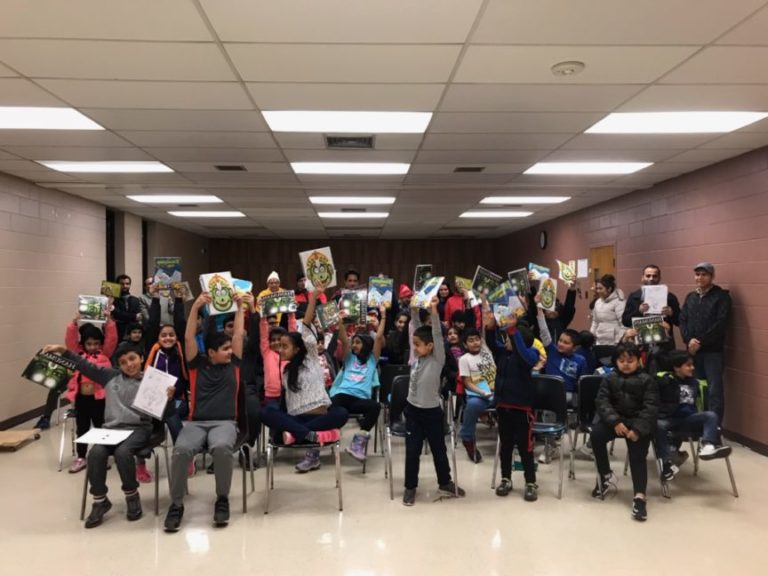
जेट वाल्डले ह्यारिस्बर्गमा संस्कृत कक्षा सन्चालनमा ल्याएको छ। यो तेस्रो समुह हो ! सो कक्षालाई प्रज्ञ कक्षको नामले चिनिने गरेको छ।

हिन्दु धर्म तथा संस्कृति सङ्गठन पेन्सिलभेन्याले यस कार्यक्रमलाई सहयोग गरेको छ। पहिलो समुहमा ३० र दोस्रोमा २६ जना बालबालीका रहेका थिए । यसपाली कम्तिमा ५० जना बालबालीका सहभागी हुने अनुमान गरिएको छ । हरेक आइतबार १०-१२ बजेसम्म पठनपाठनको समय हालका लागि तय गरिएको छ ।

पहिलो दिन १५ जना ससाना नानीहरू संस्कृत सिक्न भेला भएको त्यहाका सन्चालन समिति सदस्य देबराज ढुङ्गानाले बताउनु भयो। योगा, नृत्य, बाध्यबादन पनि सोही कक्षामा सिकाइने जनाइको छ ।

संस्कृत अध्यायन, कर्म कान्डका निम्ती मात्र भन्ने होइन यो त एउटा समुद्र हो यसको गहिराइमानपुग्न सक्नु पर्छ र सक्नु हुनेछ- भन्दै प्रसिक्षक हरि न्यौपानेले नानीहरूलाई हौसला दिनु भयो। प्रसिक्षकहरू ७ जना हुनुहुन्छ।

“संस्कृत कर्मकान्ड मात्र होइन यसको बृहत अध्यायन गर्नु पर्छ र सामान्य कम्प्युटर देखि ग्रहहरूको सन्चालन सम्म बुझ्न सक्ने हुनु पर्छ र संस्कृत विषय आफैमा प्राचिन र अलग महत्व राख्ने भाषामा पर्दछ ”, ढुङ्गानाको भनाई थियो।

श्री चक्रपाणी स्वामीजीको निर्देशनमा सो कक्षा सम्चालन हुने बताईको छ।

साथै केन्टकी निवासी डा. लक्ष्मीनारायण ढकालले समेत अनलाइन सस्कृत कक्षा सन्चालनमा ल्याउनु भएको छ। हाल उहाँसग १० जना युबाहरूको हरेक शनिवार अनलाइन कक्षा प्राम्भ भएको बताउनु भयो। यो प्रारंभिक भाषा प्रवेश पाठ्यक्रम भएकाले डेड बर्षमा कोर्स सकिने प्रशिक्षक ढकालले बताउनु भयो। संस्कृतको उपयोगिताका बारेमा गरिएको प्रश्नको उत्तर दिदैं डा. ढकालले बताउनु भयो – संस्कृत भाषा र विद्या कुनै वर्ग विशेषको नभएर यो सबैले जान्न जरूरी छ । हाम्रो पूर्वीय दर्शन र आध्यात्मिक विज्ञानका मूल ग्रन्थहरू यसै भाषामा भएकाले ती ग्रन्थहरूमा के छन भनेर यथार्थ जान्न संस्कृत बुझ्न जरूरी छ ।

हाम्रो समाज विशेष गरेर कर्मकाण्ड प्रधान भएकाले र वर्तमानमा यस क्षेत्रमा आएको विकार र विसंगतिलाई सच्याउन पनि संस्कृत जान्न आवश्यक छ । संकल्प वाचन र पाठ गर्दा शुद्ध उच्चारण हुन आवश्यक छ, अत: कर्मकाण्डी पुरोहितहरूले पनि संस्कृतको ज्ञान लिन जरूरी छ । यो वैज्ञानिक भाषा पनि हो, किनकि अन्य भाषामा जस्तो शब्द वा वाक्य संगठनमा कर्ता, कर्म र क्रियालाई बदल्ननै नपाइने प्रावधान यसमा छैन, यीनलाई अघि पछी जतै राखेपनि अर्थबोध हुन्छ । त्यस्तै अंग्रेजीमा उच्चारण हुने (But, put ) जस्ता उच्चारण र लेखाइमा अनिमियतता संस्कृतमा छैन । संस्कृतमा जस्तो लेखिन्छ त्यस्तै उच्चारण हुन्छ ।

नासाले कम्प्युटरका लागि सर्वोत्तम भाषा भएको जानकारी पाएपछि अहिले अनेक प्रकल्पमा काम गरिरहेको छ । माइक्रोसाफ्टले सुपर कम्प्युटर लंचगर्न संस्कृत कोडिगको सहारा लिरहेको छ । यतिमात्रै होइन आयुर्वेद, खगोल विज्ञान, ज्ञ्योतिष विज्ञान, गणित विज्ञान र योग निज्ञान जस्ता गहन विषयहरूका मूल आविष्कर्ता संस्कृतज्ञ ऋषिहरूनै थिए । वेदका मन्त्र र अन्य ग्रन्थका श्लोकहरूलाई शुद्ध उच्चारण गर्नाले, ‘ऊँ’कारको जोड जोडले उच्चारण गर्नाले अनेक रोगहरूको उपचार हुन्छ , व्यायाम हुन्छ ! अबको २० बर्षपछि संस्कृत कम्प्युटरका लागि अनिवार्य हुन सक्ने परिस्थिति आउन सक्छ । अत: हामी सबैले संस्कृत पढ्न जरूरी छ । डा. ढकालले यो पहिलो पाठ्यक्रम पूरा भएपछि व्याकरण र गीता उपनिषद आदि शास्त्रमा प्रवेश गरिने र यसलाई परीक्षा प्रणालिसंग पनि जोडेर एउटा गुरूकुलको नै आरंभ गर्न सकिने बताउनु भएको छ।

क्यानेडाको हुइनसार शहरमा पनि बाल सत्सङ नामक संस्कृत कक्षा सन्चाल हुने गरेको त्याहाबाट रधु ओस्तिले जानकारी दिनु भयो। सेप्टेम्बरबाट डिसेम्बर र मार्चबाट जुनसम्म गरेर दुई सेमिष्टार सन्चालन हुन्छ भने ३५-४० जना सम्म नानीहरू सहभागी हुने गरेका छन।

यसरी संस्कृत कक्षा सन्चालन हुनु आफैमा राम्रो हो | एउटै केन्द्र बनाएर जान सक्नु हो यदि भने यसको महत्व अझ ठुलो हुने देखिन्छ |

Two former headteachers honored

26,644

Ohio- On Sept 1, 2019, Green Vale Academy (GVA), a school based in Beldangi-I refugee camp in Eastern Nepal, students of 8th grade of batch 2000, hosted a get-together program at Namaste Curry House in Fairfield OH.

The event was led by Charan Subedi assisted by Buddha Gurung around 4 pm on Sunday. Almost after nineteen years, 47 former students, now resettled in different states of the US-met for the first time and shared their current and past experiences.

Former headteachers NP Koirala and CL Gautam.
Photo Courtesy: Charan Subedi

Two former headteachers, Mr. N P Koirala, and Mr. C L Gautam were honored along with former teacher Ms. Bina Gautam, for their selfless educational contribution back in Bhutanese Camps. Both headteachers thank the students for putting together the program and shared their excitement.  It is a matter of pride to see our one-time students grown so big- physically, socially, professionally. We, both, wish for their successful endeavors alongside remaining responsible citizens of this great and welcoming nation, said the headteachers.

D.P Neopaney announced the name of missing friends, Chandra Parsai and Kul Bahadur Basnet and prayed for their safety and whereabouts. Raj Baral led the floor to mourn for their late friends-Rupa Subba, Krishna Adhikari, Gopi Rai, and Sukraj Rai. Students unanimously proposed and agreed Columbus OH, the next venue, for the continuation of this event in 2021.

As a friend together, they raised one thousand dollars in the event and decided to provide educational scholarship to one of the needy students in the refugee camp in Nepal.
Fun full of jokes, music, dance, and poems recitation added flavor to the program.

Followed by a photo sessions and D J dance, the program was wrapped up around 8:30 pm.

समायोजनका लागि आयोजित सम्मेलनमा नेपाली-भाषी बालबालिका

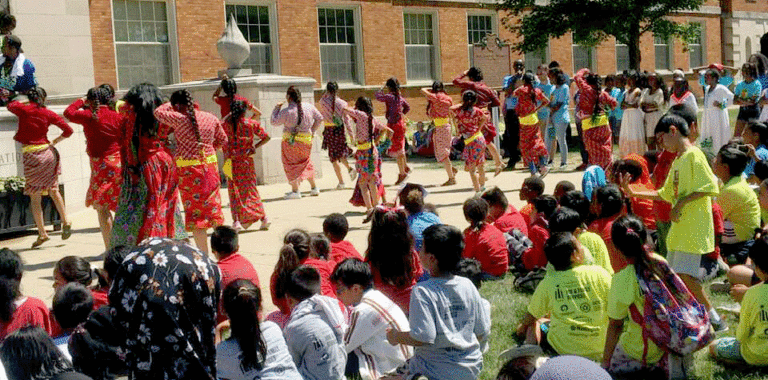
कोलम्बस । अमेरिकाको ओहायो राज्यको कोलम्बसमा आयोजित वार्षिक युवा सम्मेलनमा नेपाली-भाषी बालबालिका तथा किशोर-किशोरीले उल्लेख्य सहभागिता जनाएका छन् । शुक्रबार सम्पन्न उक्त सम्मेलनमा करिब ३ सय सहभागिमध्ये ६५ जना नेपाली-भाषी बालबालिका तथा किशोर-किशोरी थिए ।

वर्खे बिदामा आयोजित शिविर शैलीको यो सम्मेलन स्थानीय इटिएसएस (इथियोपियन टेवाहेडो सोसल सर्भिसेस) नामक संस्थाले ओहायो डोमिनिकन युनिभर्सिटीमा गरेको थियो । सम्मेलनमा ५-२४ वर्ष समूहका बालबालिका तथा किशोर-किशोरी सहभागि थिए ।

फरक संस्कृति तथा पृष्ठभूमीका बालबालिका तथा किशोर-किशोरीलाई घुलमिल हुन र एक-अर्कालाई बुझ्ने अवसर दिन सम्मेलन गरिएको स्थानीय निर्मला अधिकारीले बताउनुभयो ।

सम्मेलन फरक देशका नानीहरूले आफ्नो प्रतिभा प्रदर्शन गरेका थिए । इटिएसएस नामक संस्थाले भूटान, बर्मा, बुरूण्डी, क्यामरून, कम्बोडिया, कंगो, डेमोक्रेटिक रिपब्लिक अफ कंगो, इजिप्ट, इरिट्रिया, इथियोपिया, घाना, गिनी, हैटी, इरान, इराक, आइभोरी कोस्ट, जोर्डन, लाओस, मेक्सिको, मोरक्को, मौरिटानिया, प्यालेस्टाइन, पुअर्टो रिको, रूवान्डा, सेनेगल, सोमालिया, श्रीलंका, सुडान, दक्षिण सुडान, सिरिया, तान्जानिया र युक्रेनका आप्रवासी / शरणार्थीको सेवा गर्दै आएको छ ।

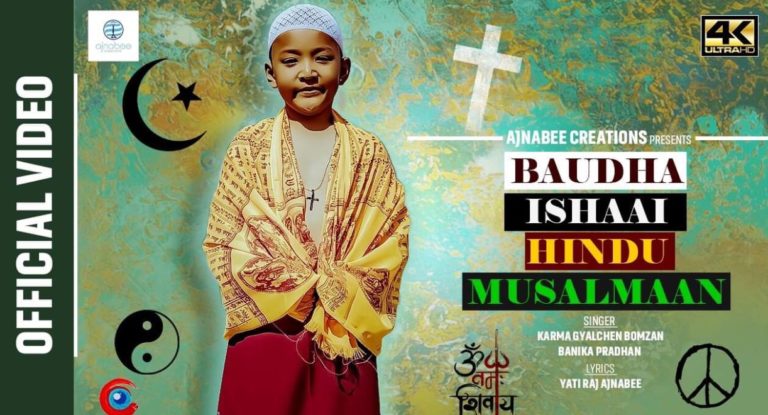
Exploring- Baudha, Ishaai, Hindu, Musalman: Music Video

26,644

Religion, to be precise, is the organization of spirituality into something that became the hand maiden of conquerors. In fact, nearly all religions were brought to people and imposed on them by these subjugators and ultimately used as a tool to control their minds.

The spiritual basis of all religions is something that builds unity. Sadly today, owing largely to a rising gap among different worships and faiths, Man has been able to build too many walls, but not enough bridges!

While exploring deep into the lyrics, images, and flow of the melody embedded in the music video of “Baudha, Ishaai, Hindu, Musalman”, it predominantly fills the air with divinely appealing dharmic chants and exalting sounds of love, humanity, and wisdom.  One cannot deny the fact that the world would have been the most beautiful haven in the entire universe, had there been no spats and clashes among humans due to religious contradictions.  Above all, one needn’t necessarily see a scholar to acknowledge a very thin line between Hindu, Buddhist, Muslim, and Christian.

Indeed, the video is a ‘clarion call’ for world peace, compassion, and unity. After all, as the tape unfolds– all religions are primarily the man-made doctrines and pathways to attain Nirvana, Swarga, Jannat or Paradise, supposedly after an unleash of the last nail in the coffin, an afterlife.

With quite a conciliating effect, the video spells out largely with Buddhist mantras followed by some preludial hymns of other religions. As the reel rolls out with a humble appeal for goodwill and cordiality among humans, a brief argument appears to break out among four adults seemingly representing all four major religions.

Meanwhile, amid the dispute, a chubby young boy wearing all four religious insignias suddenly approaches them. Interestingly, seeing the strange gesture on the part of the juvenile, the stench of hatred is abruptly overpowered by an aroma of peace. A short while later, they’d repent, realize and finally get enlightened.

Indisputably, if we could only generalize and instill in our young children — the relevance of love, oneness, and equality against the domain of increasing crevasses between religions, the upcoming generation would certainly be witnessing a newer planet in the days ahead.

Nonetheless, in a jungle of mushrooming ‘rocks and blues’ the producer of this music video appears to seek a different genre of music befitting the very essence of today’s peace and harmony against the backdrop of never-ending war and hatred. Hence, the message and intent of this production are very clear: If your God is telling you to hate any group of people, you are listening to the wrong voice in your head.

The strains, theme, images, and actions are perfectly blended. Vocal and lyrical lines are superb. Of all, the choreographer deserves a pat on the shoulder.

By all accounts, this project appears to be the maiden music video of Ajnabee Creations based in Adelaide, South Australia. The proprietor – Mr. Yati Raj Ajnabee—is keen on connecting the world through his creations.  Good luck to Ajnabee Creations for future endeavors!

Lyrics: Yati Raj Ajnabee
Music: Karma Gyalchen
Vocal: Karma Gyalchen/Banika Pradhan
Director: Sonam Pakhrin
Actors: Various Artists

गीता आध्यात्मिक सम्मेलन – २०१९ ओहायोमा सम्पन्न

कोलम्बस । तीन दिने गीता आध्यात्मिक सम्मेलन – २०१९ ओहायो राज्यको कोलम्बसमा आइतबार (जुलाई २८) सम्पन्न भएको छ । विश्व भूटानी हिन्दू संगठन र वैदिक सेवा समाज, कोलम्बसको संयुक्त आयोजनामा भएको सम्मेलन शुक्रबार (जुलाई २६) शुरू भएको थियो ।

सम्मलेनका मुख्य अतिथि प्रा. डा. माधवप्रसाद भट्टराईलगायत करिब एक दर्जन ज्ञाताहरूले धर्मसम्बन्धी प्रवचन दिएका थिए । विशेष प्रस्तुतिहरूमा वेद लुइटेल (विषय: सनातन र विज्ञान), डा. लक्ष्मी नेपाल (विषय: वैदिक सनातन धर्मको संरक्षणमा नारीको योगदान), खिम खतिवडा (विषय: श्रीमद्भगवद्गीता र आत्मविकास), आचार्य भीम तिम्सिना (विषय: सम्प्रदाय र वैदिक सनातन धर्म), महानन्द लुइटेल (विषय: सनातन धर्मका गौरवमय पक्षहरू), प्रा. डा. माधवप्रसाद भट्टराई (विषय: वैदिक सनातन धर्म), आचार्य वेदनिधि सुवेदी (विषय: शुभ आशिर्वचन), विदुषी देवका खनाल (विषय: हाम्रो ग्रन्थ र उपदेश), स्वामी निखिलानन्द (विषय: भागवत गीता), स्वामी चक्रपाणी प्रपन्ना (विषय: गीता के हो र गीतमा के छ ?) रहे ।

सम्मेलनमा करिब १० राज्य र ती राज्यका १६ वटा धार्मिक संस्थाहरू सहभागी भए । कार्यक्रमका मुख्य आकर्षणहरमा विभिन्न गुरुजन/मान्यजनबाट प्रवचन, विभिन्न शहरका भजन मण्डली वा धार्मिक संस्थाहरूबाट भजन प्रस्तुत, बालन/संगिनी/भजनमा नृत्यहरू, कविता वाचन, पुस्तक विमोचन (षेड संस्कार, सरल नेपाली किताब) निःशुल्क गीता पुस्तक वितरण तथा पुरस्कार/उपहार वितरण रहे ।

कार्यक्रम समग्र भूटानी दाजुभाइ तथा दिदीबहिनीहरूको शान्तिको कामना गर्न यो सम्मेलन गरिएको आयोजक संस्थाले बताएका छन् । विश्व भूटानी हिन्दू संगठन (ग्लोबल भूटनिज हिन्दु अर्गनाइजेसन) को स्थापना सन् २०१३ मा भएको हो । यो अमेरिकामा गैरनाफामुलक संस्थाका रूपमा दर्ता छ । वैदिक सेवा समाज कोलम्बसको स्थापना पनि सन् २०१३ मै भएको हो ।

विश्व भूटानी हिन्दू संगठनले भूटानी हिन्दू समाजसँग मिलेर गत वर्ष अगस्तमा केन्टकी राज्यको लुईभिलमा त्रि-दिवसीय धार्मिक प्रवचन कार्यक्रम गरेको थियो ।

अमेरिकी विदेश मन्त्रालय (स्टेट डिपार्टमेन्ट) का अनुसार अमेरिकामा पुनर्स्थापित करिब ९७ हजार भूटानीमध्ये सबभन्दा धेरै हिन्दू धर्मावलम्बीहरू ५७.४० प्रतिशत छन् ।