योग कक्षा  उद्घाटन र पंचाङ्ग विषयमा अन्तरक्रिया


रिनोल्द्स्बर्ग , मे १२, २०१९

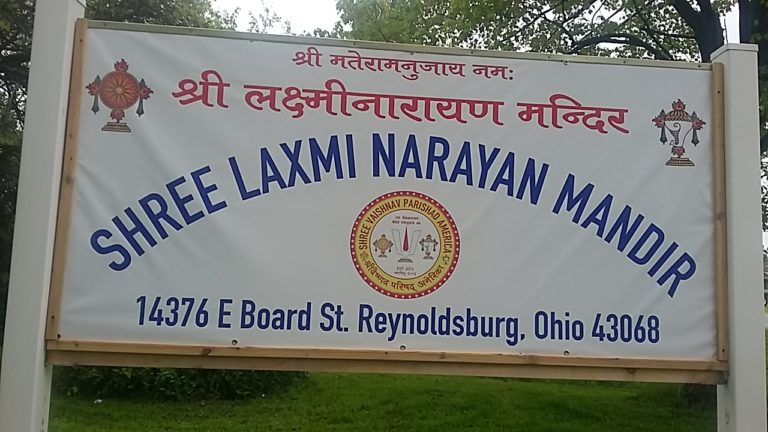
ओहायो राज्यको रिनोल्द्स्बर्ग  पतास्कला क्षेत्रमा अवस्थित श्री लक्ष्मीनारायण मन्दिरमा हिजो मारुतीनन्दन  नेपाली पंचाङ्ग विषयमा अन्तरक्रिया तथा योग कक्षाको उद्घाटन गरियो।

Temple under renovation.
Photo courtesy: Bhuwan Pyakurel

हरेक आइतबार बिहान सन्चालन गरिने भनिएको योग कक्षाको यो प्रथम सत्र योग अभ्यासमा तालिम प्राप्त सिन्सिन्यति निवासी परमआनन्द बाँस्तोलाले सन्चालन गरेका थिए।  दोस्रो सत्रमा मारुतीनन्दन नेपाली पनचाङ्गका लेखक पद्मलाल ढकाल र अर्का ज्योतिषी लक्ष्मीनारायण मिश्रसँग प्रश्न उत्तरको कार्यक्रम रहेको थियो ।

उक्त नेपाली पंचाङ्ग निकाल्नु पर्ने आवस्यकता र यसको विकासक्रम बारे डा. लक्ष्मीनायारण ढकालको भनाई थियो,  “नयाँ भूगोलमा बसाईं आएपछि हामीलाई हरेक चाड पर्व मनाउन र तिथि श्राद्द गर्न यहि भूगोललाई मिल्ने पनचाङ्ग आवश्यक पर्यो र यसलाई सँस्थागत रुपमै निकाल्नु पर्यो।  यो पनचाङ्ग २०१५ बाट प्रकाशन शुरु भयो तर खोज अनुसन्धानको काम २०११ बाटै गरिएको हो।”

ज्योतिष पद्मलाल ढकाल र लक्ष्मीनारायण मिश्रले साधारण तिथि, दिन, घडी नमिल्नुको  कारण बारे ज्योतिषीय  गणनामा सुर्योदय र सुर्यास्त अनि भूगोलको अवस्थिति अनुसार फरक भएका कारण भन्ने बारे बताएका थिए।

श्रीवैष्णव परिषदले पंचाङ्ग लेखक ज्योतिष पद्मलाल ढकाललाई एक सम्मान पत्र प्रदान गर्यो।  परिषद अध्यक्ष भीम बाँस्तोलाले सो सम्मान पत्र पढेर सुनाएका थिए ।

परिषदले मारुतीनन्दन पनचाङ्गलाई नै मान्यता दिएको र अब उसो सबै पर्वहरु यहि पंचाङ्ग अनुसार मानिने परिषदको घोषणा भुवन प्याकुरेलले बताए।

श्री लक्ष्मीनारायण मन्दिर सन् २०१८ अक्टोबरमा स्थापना गरिएको थियो।  झन्डै पाँच ऐकर जग्गा भएको यो मन्दिर परिसर तीन लाख पचहत्तर हजारमा वक्तिगत सहयोगको भरमा किनेको भुवनले बताए।  यस रकम सहयोगमा पहिलो एक हजार दिने तिलाचन पोख्रेल हुन् भने मन्दिरमा दैनिक स्वयम् सेवकको भूमिकामा श्रीनारायण काफ्ले खटेका छन्।

केहि आवस्यक मर्मत सम्भार तथा नयाँ सौचालय, भान्छाघर पनि निर्माण गर्न ठेक्का भैसकेको भुवन प्याकुरेलले उपस्थित सहभागीलाई सुनाएका थिए।

U.S. Envoy to Nepal Visits Refugee Camps

26,644

The U.S. Ambassador to Nepal Randy Berry visited refugee settlements in Jhapa and Morang Districts to gain first-hand impressions about the situation of Bhutanese refugees earlier last week.

The U.S. Envoy to Nepal visiting a Bhutanese Refugee Camp (Picture: UNHCR Nepal)

The Ambassador was accompanied by Dr. Leah Zilversmit Pao, Deputy Regional Refugee Coordinator from the U.S. Embassy, Nepal.

During the trip, Berry met with local officials, held discussions with representatives from UNHCR and the International Organization for Migration, and spoke with refugees to learn more about the issues affecting them, according to UN Refugee Agency in Kathmandu, Nepal.

“He also observed various livelihoods programmes including a mushroom farming initiative, designed to increase their self-reliance while supporting both refugees and host communities through education, health, livelihoods, and social protection initiatives.”

The United States U.S. Department of State: Bureau of Population, Refugees, and Migration is one of the major donors to, and an important partner of, the UNHCR in addition to being the world’s top resettlement country for refugees.

Under the third country resettlement program, more than 113,000 Bhutanese refugees from Nepal have been resettled in eight countries, out of which over 96,000 were resettled in the U.S. alone.

The other countries offering resettlement for Bhutanese refugees are Canada, Australia, New Zealand, Denmark, Norway, the Netherlands, and the United Kingdom.

According to the UNHCR, the current Bhutanese refugee population in the two settlements of Beldangi and Sanischare is 6,626, and the agency is working with the government, partners, and donors to pursue sustainable solutions for their future.

नवहरिहरधाम परियोजनाः १० दिनपछि निर्माण शुरु मई १९ मा शिलान्यास हुनेः ओ.एच.आर.सी.


पेन्सिलभेनिया राज्यको ह्यारिसबर्ग नगरनिवासी हिन्दूहरुको बहुप्रतीक्षित सामुदायिक भवन तथा आराधनास्थलको निर्माण अर्को सातादेखि शुरु हुने भएको छ । नवहरिहरधाम परियोजना अन्तरगत बन्न लागेको सो सामुदायिक भवन/मन्दिरको शिल्यान्यास यही  मई  १९, २०१९ को दिन हुने ‘अर्गनाइजेसन फर हिन्दु रिलिजन एण्ड कल्चर’ (ओ.एच.आर.सी.) ले जनाएको छ ।

योजना अनुसार सो स्थलको निर्माणकार्य सकिएपछि समुदायका सबै हिन्दूहरुले आफ्नो संस्कार अनुकूल धार्मिक तथा सामाजिक गतिविधि गर्नपाउने बताएको छ ।

अहिलेसम्म स्थानीयस्तरका सामुदायिक सेवाप्रदान गर्ने संस्थाहरुबाट सहयोगस्वरूप सरकारी तथा निजी भवन, सार्वजनिक पार्क, विद्यालय आदिमा हाम्रा कार्यक्रमहरु हुँदै आएका थिए । विविध असुविधाका कारण हामीले त्यस्ता स्थान पाउन छोडेका छौं । अतः नवहरिहरिहरधाम परियोजनामा आफ्नै भवन तयार भएपछि धेरै भन्दा धेरै समस्या कम हुने र बिशेष गरी बयोवृद्धहरुका लागि एउटा सामाजिक भेट-घट मार्फत एक्लोपन महसुसमा सुधार हुने अपेक्षा गरेको  ओ.एच.आर.सी. स्रोतले भनेको छ ।

सो परियोजना निर्माणकार्यका लागि ओ.एच.आर.सी. ले विभिन्न कार्यक्रम तथा अभियानमार्फत आर्थिक संकलन पनि गर्दै आएको छ । गत अप्रिल महिनामा सम्पन्न वाल्मीकीय रामायण नवाह ज्ञानमहायज्ञमा मात्र ३ लाख ८७ हजार  ५ सय  ९० डलर ($3,87,590) संकलन भएको संस्थाका अध्यक्ष तुलाराम नेउपानेद्वारा हस्ताक्षरित विज्ञप्तिमा जनाइएको छ । सो नवाह ज्ञानमहायज्ञ गत अप्रिल महिनाको ६ देखि  १४ तारिखसम्म सञ्चालन गरिएको थियो । यसबाहेक समाजका व्यक्तिविशेष, परिवारहरु र  सेवाप्रदायक संघ-संस्थाहरुले पनि निकै लामो समयदेखि ओ.एच.आर.सीलाई सो परियोजना सम्पन्न गर्नका लागि आर्थिक सहयोग गरिरहेका जनाइएको छ । प्राप्त प्रेस विज्ञप्तिमार्फत ओ.एच.आर.सीले सबै सहयोगीहरुमा कृतज्ञता प्रकट पनि गरेको छ ।

समाजमा उचित आध्यात्मिक शिक्षाको अभाव, परम्परावादी सिकिर्ण सोच र समयको मागलाई उचित सम्बोधन नगरिएका कारण हिन्दु धर्मवलम्वीहरु बीच वैचारिक र व्यवहारिक दुरी बढ्दो छ । समुदायलाई देश-काल र परिस्थिति अनुरुप संस्कार-संस्कृतिमा आबद्ध गराई एकताबद्ध गर्दै पूर्वीय सभ्यता पूर्वको लागिमात्र नभई सारा जगतकै लागि आवश्यक भएको सो नवाह ज्ञानमहायज्ञमा सरिक हुनुहुने सबैको बुझाई रहेको पाईएको छ ।

यसै विचारलाई प्रमुखता दिई अघि बढाइएका अभियानमा ओ.एच.आर.सी.लाई लगातार साथ दिएर आशीर्वाद प्रदान गर्नुभएको भन्दै आचार्य श्रीचक्रपाणी (सीताराम अधिकारी) लाई कद्दरपत्रले सम्मान गरिएको पनि संस्थाको विज्ञप्तिमा जनाइएको छ । आचार्य चक्रपाणीका साथमा पण्डित हरिविनोद अधिकारी, पण्डित रामकृष्ण सुवेदी,  पण्डित यदुढकाल र पण्डित केदार ढुंगेललगायतका धार्मिक अभिन्ताहरुलाई पनि धन्यवादका शब्दहार पहिऱ्याइ प्रशंसा गरिएको विज्ञप्तिमा उल्लेख छ ।

सोही अवसरमा एकल परम्पराको मार्ग छोडेर सिंगै समाजलाई संस्कार- संस्कृतिमा आबद्ध गराई लैजानुपर्ने मत एकातिर अनि एउटैमात्र सम्प्रदायको पक्षपोषण गर्दै त्यसैको प्रवर्द्धनमा सकल ऊर्जाको लगानी गर्नुपर्ने मत अर्कोतिर भएर ह्यारिसबर्गवासी समाजको सामुदायिक एकतामा चोट लागेको कुरा ओ.एच.आर.सी. ले व्यक्त गरेको छ ।

ओ.एच.आर.सी. का सामाजिक गतिविधिसित भिन्न मत राखी २०१८’को  नोभेम्बरमा स्थापना भएको श्रीवैष्णव  परिषद-ह्यारिसबर्गले समेत एउटै समयमा एउटै कार्यक्रमको आयोजना गरेको थियो ।  ओ.एच.आर.सीसित कार्यक्रमको समय जुधाउँदै वाल्मीकीय रामायण ज्ञानमहायज्ञको नौदिने कार्यक्रम आयोजना गरी परिषदले ह्यारिसबर्गमै श्रीलक्ष्मीनारायण मन्दिर तथा श्री वैष्णव सम्प्रदायका गुरु योगिराज श्रीकमलानयनाचार्य स्मृति पीठ स्थापनाको घोषणासहित आचार्य श्री केशव खतिवडालाई त्यसका पिठाधीश नियुक्तसमेत गरेको थियो । समानान्तररुपमा एकै ठाउमा एकै नामको कार्य हुनुलाई सामाजिक एकता र सद्भाव अप्ठ्यारोमा परेको सचेत समाजबासीहरुले बताएका छन् ।

समानान्तर कार्यक्रमले आन्तरिक प्रतिस्पर्धा जस्तो देखियो नि भन्ने बिषयमा जानकारी लिंदा श्रीवैष्णव  परिषद-ह्यारिसबर्गका अध्यक्ष श्री टिका ढुंगानाले “ देख्नमा त्यस्तो भएता पनि यो हाम्रो पूर्व निर्धारित कार्यक्रम हो र हाम्रो कर्यक्रम बिशुद्ध हाम्रा आराध्यदेव प्रति समर्पित भएको हुनाले र अर्को कार्यक्रम सामाजिक प्रकृतिको भएको हुनाले यो आन्तरिक प्रतिस्पर्धा हुनै सक्तैन”, भनी बताएका छन्  । यसलाई सम्योग मात्र भएको बुझिदिन ढुंगानाले सबैमा अग्रह  गरेका छन् ।

ओ.एच.आर.सी.ले आफ्नो विज्ञप्तिमार्फत, “यो कार्यक्रम धार्मिक/ सांस्कृतिक  चेतना जागरणका लागि लक्षित रहेकोले यहाँ कुनै निश्चित जाति, वर्ग, समुदाय वा भिन्न गुरु परम्पराका अनुयायीहरुलाई फरक व्यवहार नगरी  ‘बसुधैव कुटुम्बकम’ को सिद्धान्त परिपालन भएको बताएको छ । हामीमध्येको अधिकांश जनसंख्या ‘एक राष्ट्र -एकप्रजा- नीति’ को नामबाट उदाएको नश्लीय तथा एवं विभेदीकरणको चपेटामा परेर देशनिकालामा परेको कुरा यदि सबैको लागि स्थापित सत्य हो भने हामीहरुले कमसे कम सामुदायिक साझेदारीको अभ्यास गर्न हाम्रा सन्ततीहरुलाई आजैदेखि  सिकाउनु जरुरी छ । यदि त्यस्तो साझेदारी सिकाएनौं भने  सामाजिक अस्तित्वका लागि हामीले गर्ने संघर्षको हल्ला ‘हो हो पाडरी पाडरी’ मा सीमित हुनेछ । हाम्रा आदर्शका प्रवचनहरु अव्यावहारिक अर्तीमात्र साबित हुनेछन् ”, भन्ने जनाएको छ ।

“पुनर्वाशपछि शुरु भएको एक खाले संक्रमणकालको अवस्थालाई पार गर्दै हाम्रो समाज पुस्तान्तरणको स्थितिमा पुगेको छ । यतिबेला हामीले सामुदायिक साझेदारीको यस चिन्तनलाई चरितार्थ गर्न बहुजातीय, बहुसांस्कृतिक मान्यताको समन्वयमुखी संस्कार स्थापित गर्नुपर्ने भएको छ । एक एकलाई जोडेरमात्र हाम्रो संक्रमणकालीन साझा लक्ष्यमा पुग्न सकिन्छ । हाम्रो अस्तित्वको रक्षा गर्न सकिन्छ । एक एक र अनेकमा टुक्रिएर हाम्रो सामुदायिक साझेदारीको रक्षा हुन सम्भव छैन”, भन्ने ओ.एच.आर.सी.ले जनाएको छ ।

“भन्नलाई त आफ्नै चित्त बुझाउनका लागि मान्छेले ‘भगवानको नाम जति ठाउँमा जपे पनि हुन्छ, मन्दिर जतिवटा बनाए पनि हुन्छ’ भन्लान् ! तर समाजलाई फुटाइएकोमा भित्रभित्रै कुँडिएको उनीहरुको मन भने कसैले पनि देख्तैन । फुटाउने कुरामा जिम्मेवार केही मानिसहरुले आ-आफ्नो दलील सही थियो भनेर वकालत नै गर्लान् । तर, हाम्रो समाजले देश, काल र परिस्थितिको कुरा अनुभूत गर्नुपर्थ्यो ! नाम नाम नाम ! सबैलाई नाम र पद चाहिएको ! नाम त वर-पिपल रोप्नेको पनि हुन्छ फाँड्नेको पनि हुन्छ ! अब यिनले कुनखाले नाम राख्ने हुन्”-ओ.एच.आर.सी. द्वारा आयोजित नवायज्ञको समापन समारोहमा उपस्थित  एक प्रौढले आफ्नो नाम  नराखिदिने आग्रह गर्दै भने ।

सोही कार्यक्रममा कथाश्रवणका लागि मेरील्याण्डको बाल्टिमोरबाट आएका लीला शर्माले भने, “ह्यारिसबर्ग भनेको एउटा सिटी हो, एउटै सिटीभित्र, एउटै भाषा, एउटै संस्कृति र परम्परा मान्ने जमात, एउटै पीडा भोगेर २० वर्षसम्म एकैखाले छाप्रामा बाँचेर आएका, एउटै योगिराज गुरुका शिष्यहरु, एउटै गाउँमा दुई अलग अलग मण्डप राखेर अलग अलग पण्डितहरु जुटेर एउटै भगवान (राम) को गुणगान गरेको भन्छन् । खै के गुणगान भनौं यो ! अझ त्यसमाथि कुनै पण्डितहरु गाउँ गाउँ घुमेर मानिसहरुलाई ‘फलानाको कार्यक्रममा जाऊ,  भन्दै उर्दी जारी गरी हिँडेका पनि पाइयो । यसो गर्दा यहाँ भगवानको गुणगान भयो कि के भयो, आफैं अनुमान गर्नुहोस् ! मलाई त यो धर्मको नाममा व्यक्तिविशेष र ससाना गुटको लिप्सा पूरा गर्ने नौटंकी झैं लाग्यो !”

अर्का एक स्थानीय सामाजिक अभियन्ताले भने,“ह्यारिसबर्गको समाजलाई जोड्ने भन्दा तोड्ने उदाहरण पेश गऱ्यो भनेर आरोप नै आइलागेको छ । यद्यपि, यो कुरो ह्यारिसबर्गमा मात्र होइन, सबैतिर हुँदै आएको हो । यस्तो विभाजन हाम्रो समाजमा मात्र हुने कुरा पनि होइन । समाजको पहिचान र अस्तित्वरक्षा गर्ने भनेर नारा दिइरहेका व्यक्ति र वुद्धिजीवीहरुका लागि यो चुनौती हो । हरेक मानव समुदायमा भिन्न विचार, भिन्न सरोकार र भिन्न उद्देश्यका मानिसहरु हुन्छन् । तर, ती सबैखाले विचार, सरोकार र उद्देश्यहरुलाई साझा बनाएर समझदारी कायम गर्दै अघि बढेमा त्यो समाज अरुको लागि पनि उदाहरणीय बन्नसक्छ !”

सम्पन्न नवाह महायज्ञ तथा नवहरिहरधाम परियोजना निर्माणको सम्पूर्ण अभियानमा योगदान गर्ने सबैलाई धन्यवाद ज्ञापनसहित सामाजिक एकताको लागि जोड दिँदै ओ.एच.आर.सीले, “एउटा कार्यात्मक समूहको अभ्यस्त साझेदारीबाट मात्र कुनै पनि संगठनका लक्षित योजनाहरु अघि बढ्दछन् भन्ने कुरामा हामी विश्वास गर्दछौं । अतः पूर्वीय सभ्यता, संस्कृति, आध्यात्मिक दर्शन तथा ओएचआरसीको आदर्श, र दृष्टिकोणलाई चरितार्थ गर्ने दिशामा यहाँहरुबाट प्रदर्शित चासो र सक्रियताले हामी सबैलाई गौरवान्वित तुल्याएको छ । माथि उल्लेख गरिए अनुरुपको नवाहमहायज्ञ कार्यक्रमको समापनपछि हामीले आफ्नो संस्कृति र समाजको साझा अस्तित्वरक्षाको उद्देश्यमा एकताबद्ध भएर पूर्ण समर्पणका साथ काम गरेमा कहिल्यै असफल हुनुपर्दैन भन्ने नजिर तय भएको पनि अनुभूत गरेका छौं”, भन्ने बताएको छ ।

‘Bhutanese Weren’t Treated as They Deserve’

Ramesh Prasai, a radio journalist affiliated with Dharan-based Ganatantra FM, has spoken exclusively on the Bhutanese Refugee issue with Vidhyapati Mishra of Bhutan News Service.

Expressing regrets on behalf of Nepal and the Nepalese people, journalist Prasai has felt sorry for not treating the exiled Bhutanese in the manner they deserve. He also appreciated the efforts of resettled Bhutanese in joining helping hands in various occasions in Nepal.


Harvard University Hosted Gross National Happiness Conference

26,644

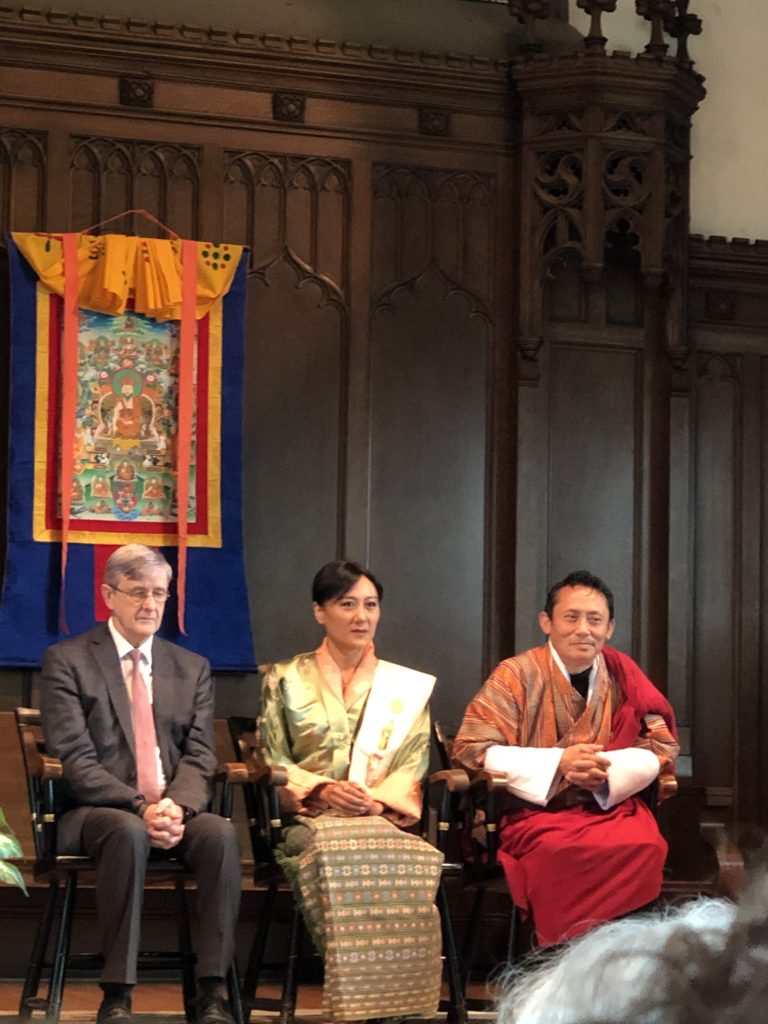
Harvard University hosted a Gross National Happiness 2019 conference at Harvard Divinity School on 13th April 2019- Saturday. The theme of the conference was “Reimagining happiness for a better world”.

Photo Courtesy:
Amber Poudel and Suraj Budathoki

Doma Tshering, Permanent Representative of the kingdom of Bhutan to the United Nations made the keynote address.

There were three different sessions of a panel including, Bhutanese statecraft and the spirit of the Gross National Happiness, The Happiest Movement: mobilizing individuals, communities and Hacking Happiness from Artificial to Hartificial intelligence, and Scaling Happiness & Health: Translating Science to Application.

Hari Khanal, Bhutanese American community leader submitted a two-page appeal prepared by Non-Resident Bhutanese ad-hoc committee to the Bhutanese Government representatives and the Dean of Harvard Divinity School. “We ask that you work to introduce the Non-Resident Bhutanese bill in Bhutanese parliament. In supporting this bill, the protracted Bhutanese refugee problem would be solved amicably. This is a smart initiative to get involved in the future of Bhutan and its people. All Bhutanese, those who live inside and resettled community, should have an equal opportunity to live in dignity and participate in the socio-economic development of the country that our forefathers have collectively toiled in its creation as a nation-state”, stated in the appeal.

According to Suraj K. Budathoki, recent International Relations graduate, “Bhutan is wandering for happiness as they failed to find it in Bhutan. Without adequately addressing the barriers of Happiness in Bhutan, it is futile to wander at Harvard Divinity. I bet Bhutan would be the happiest and wealthiest nation on the Earth when it solves its existing problems.”

The event featured Bhutanese cultural dance, Ema Datsi, Thankas and Paintings.

The event started at 8 am and ended at 4 pm with the concluding remarks from Kinga Tshering, a graduate student at Harvard Divinity School.

At least 250 individuals attended the event. Six Bhutanese community leaders from Massachusetts and New Hampshire also attended the event.

Once much talked Gross National Happiness philosophy sees a decline in its essence both inside and outside Bhutan. World Happiness Report (WHR) has sharply lowered Bhutan’s state of happiness.

The Trajectory To Education

From New Horizon Academy (a refugee camp-based school in Nepal) to Harvard —  what a startling journey! Soon after I finished watching the interview, I received a message from my colleague Rochelle Frounfelker, a Harvard graduate inquiring whether I knew the interviewee. She was as much excited and inspired as I was to see a former refugee getting into one of the top-ranking universities.

Photo Courtesy: Indra Acharya’s Facebook Page

At a personal level, this interview has inspired me to continue to invest in the road to higher education. And I strongly feel that Acharya’s success, in particular, or other similar stories from within the community should encourage us equally. We would not have the privilege even to think of pursuing higher education in the refugee camps, and that is no longer the case after our resettlement in the West.

“When I saw the story about Indra Acharya’s acceptance into Harvard, I was reminded of the simple but beautiful quote, “You are your ancestors’ wildest dreams.” Both during and after my time at Harvard, I have met many young Bhutanese who fit this description,” said Frounfelker.

Acharya’s journey from a refugee camp in Nepal to Harvard is a testament that indicates hard work pays-off. At least that is what I learned after watching the interview thoughtfully.

At a time when some Hollywood celebrities and billionaires are getting their children into some big name universities through cheating and huge endowment gifts, a Bhutanese community member is getting into Harvard through a competitive application process. According to Ivy coach data, out of 6,630 students who hoped of earning admission to its class of 2022, only 964 got in.

“I am proud to know that a former Bhutanese refugee managed to get into Harvard Graduate Program. This is a great achievement and a matter of pride for the Bhutanese refugee community,” said Dr. DNS Dhakal who graduated from Harvard Kennedy School of Government in 1989 through Bhutan Government scholarship.

As one of the newest immigrant communities in America, resettled Bhutanese has a reason to cherish these types of success stories. Interestingly, Acharya’s success is also an irony to the current U.S. administration’s rhetorics against their policies and beliefs  that refugees and immigrants are threat and burden to this country. This story demonstrates the need for welcoming refugees and immigrants.

A recent research conducted by Harvard T.H Chan School of Public Health shows that 83% of Bhutanese parents and children are unable to communicate with teachers and other school personnel. This should concern us. There is a need for the Bhutanese community at large to start developing an intervention to bring down this number.

With this level of success, it also brings responsibilities to Acharya’s shoulder. Many young Bhutanese might consider him as their role model. His story may inspire resettled Bhutanese to work hard and aim for bigger goals. Acharya could also be a direct driving force to generate his generation’s interest in college education.

We have hundreds of other success stories in this area that are worth documenting and sharing widely within the Bhutanese community. Bhutan News Service featured and highlighted this success story in a timely fashion. In the meantime, other community organizations can play similar and other vital roles to create enthusiasm in the younger generation towards their academic goals.

“It is truly a wonder to contemplate the journey that took individuals, families and communities from Bhutan to a place like Harvard. To me, Mr. Acharya is an example of the resilience of the Bhutanese people,” added Frounfelker.

While in the refugee camp in Nepal, many among us went through different forms of hardships and traumatic experiences. Those experiences are the enablers and motivators towards re-building the lives. Acharya and others who have attained a greater level of academic success post-resettlement were no exception. Yet, they seized every opportunity they could find. We’ve abundant resources in this country.

I can only wish and hope that we, as a community, will continue to see a rise in the number of youths attending college education as Guna Ratna (Hindu holy book) says “Bidya Dhanam Sarva Dhanam Pradhanam” (meaning– knowledge is the essence of all wealth).

About the Author: Mr. Bhuwan Gautam is the co-investigator for the Research Program on Children and Adversity at Boston College School of Social Work, a researcher with Project Bhalakushari, a study on the well-being of aging Bhutanese in the US and Canada funded by the Harvard Program on Global Demography and Aging and the McGill University Health Center. He holds MPA from Westfield State University.


पाठ्यक्रम विकासमा लाग्यो साहित्य परिषद्


अमेरिकामा केन्द्रियता रहेको साहित्य परिषद्-भूटानले संसारभरि फैलिएका भूटानका नेपालीभाषीहरुको लागि उपयुक्त हुने किसिमको पाठ्यक्रम विकास गर्ने निर्णय गरी त्यसतर्फ काम शुरु भएको जनाएको छ । नेपाली भाषा, साहित्य र संस्कृतिको संरक्षण तथा संवर्द्धनका लागि दशकौंदेखि काम गर्दै आएको परिषद्-को गतवर्षको दिसम्बर महिनामा सम्पन्न चुनाउपछि नै यस दिशामा योजना तर्जुमा गरी प्रक्रियागतरूपमा काम शुरु गरिएको जनाइएको छ ।

नेपाली र संस्कृत भाषामा एम.ए./बी.एड् श्री खिम खतिवडाले नेतृत्व गरेको साहित्य परिषदको सो पाठ्यक्रम समितिमा डा. खेम नेपाल (पि.एच.डी. दर्शन शास्त्रमा, एम. ए. संस्कृत र नेपालीमा), डा. लक्ष्मीनारायण ढकाल (विद्यावारिधी दर्शन शास्त्रमा, एम. ए. संस्कृतमा, पोस्ट ग्रेजुएट र बी. एड्. नेपालीमा ), श्री सोम आचार्य (एम.ए., बी. एड्. अङ्ग्रेजीमा) र युवा कवि श्री खगेन्द्र भण्डारी ‘जन्तरे’ (स्नातक, विज्ञानमा) गरी जम्मा पाँच सदस्य रहेका छन् ।

नेपालबाट प्रकाशित पाठ्यक्रम एवं पाठ्यपुस्तक पाठ्यभार तथा सामाजिक, भौगोलिक, राजनैतिक आदि विभिन्न परिस्थितिका दृष्टिले पनि डायस्पोराका विद्यार्थीकालागि उपयुक्त नहुने देखेर साहित्य परिषद्-भूटानले आफ्नै बलबुतामा पाठ्यक्रम निर्माण गर्नुपर्ने ठहर गरी यो काम थालिएको परिषद्द्वारा जारी विज्ञप्तिमा उल्लेख छ ।

पाठ्यक्रम समितिका निर्देशक खतिवडालाई उद्धृत गर्दै परिषद्को विज्ञप्तिमा भनिएको छ,“पाठ्यक्रम भन्ने कुरा निरन्तर संशोधन र परिमार्जन गरिरहनुपर्ने कुरा हो त्यसैले यो कार्य यति समयमा सकिन्छ भनेर तोक्न सजिलो नभए तापनि यो पहिलो चरणको कार्य भएको हुँदा यस पाठ्यक्रमलाई लगभग वर्षदिन भित्रमा तयार पार्ने समितिको योजना छ ।”

Himalayan Taekwondo becomes Team Champion

26,644

Himalayan Taekwondo, based in Harrisburg PA, became the champion among other 40 teams from different states in a championship organized at Reston Virginia,  on 30th of March 2019.
Himalayan Taekwondo was able to achieve the first place (Team Champion) out of 35 schools in the 40th Annual National Capital open championship, organized by Grandmaster H.K Lee, at Reston Virginia, which is one of the biggest events in the eastern region.
Resettled Bhutanese participants achieved 10 First place, 18 Second place, and 14 third place. “It would not be possible in such a short period of time without parent’s trust to Himalayan TaeKwonDo”, Nakul Sharma, the chief instructor of Himalayan Taekwondo said. On behalf of the participants, Sharma thanked all the parents, and instructors Prakash Dhungana and Tika Dhungana for their cooperation and tireless support.

Devi Charan Poudel –Collage of Success and Suffering II

3.0 Shopping in Khalikhola , spy and arbitrary arrest

Recuperating from the torture, Devi Charan planned to visit Kalikhola in the second week of April 1991, to shop for spices and tea leaves for the summer. With monsoon turning around in June, all travel would be shut down and April would be the right time for summer shopping to bring goods to my village.

He reached Kalikhola and stayed at his fourth son’s house. On the next day he went to market to do his shopping. Compared to previous years, the stores had very limited goods and Devi decided to go to Kulkuley, a small weekly market in the tea garden of West Bengal, two hours walk from Kalikhola.

At Kulkuley he found market commodities of his choice. Upon returning with a big load cross wrapped on his shoulder, he heard a voice calling him ‘Jantaray Ba’. As he turned, he saw a group of men approaching and one of his nephew, Indra Prasad Poudel was one among them. Those people had escaped the village during September 1990. He became nervous. Fear boiled to his face.

Indra was serving as Block Member during the time of uprising. He had escaped the potential arrest by the army likely to be informed by his ill-willed neighbor.

After the meeting, they had long conversation. Indra inquired many things about the wellbeing of his family members. Overwhelmed by the emotion of meeting his uncle, Indra sobbed on the uncle’s shoulder. Indra wanted to send some items for this children back in the village, and asked for a loan with his uncle.

As Indra requested, Devi Charan lend a sum of Rs.100. Indra promised to repay the loan. He bought a few cheap JB cloths for his children and sent them with his uncle.

As agreed, Devi took the cloths and handed to Indra’s wife. He told her to keep it secret. Indra’s children got new cloths but we don’t know whether they became happy or not. Next to Indra’s house was Tek Bahadur Bhattarai’s, who was acting as informer to the army. He had assumed the Block Member role after Indra’s absconding. And the unit of army was still stationed at Powgang School. Tek was always trying to find what’s going on in Indra’s house as way to revenge. And children always tell the truth.

The very next day Tek found Indra’s daughter at the water spout and asked about her new cloths. She told that the grandfather brought from Kalikhola. Having this hint, Tek threatened the wife of Indra to tell the truth or send her to army camp to serve them. The army was demanding the wives and daughters of those who had absconded the village. After getting all the information, Tek reported to the army camp. And Devi was summoned to the barrack next day.

4.0 Imprisonment- a fantasy of sexual show

For this gesture of caring for the children of Indra, Devi was sentenced to nine months of imprisonment. First he was taken to Powgang Primary school. Then he was taken to Goshi Junior High school and kept there for a month. From Goshi he was transfered to Damphu Junior High School detention center, interrogated for two weeks and finally taken to Chemgang central jail. Despite this imprisonment, he had to sign the voluntary migration form to leave the country without compensation.

Every day the people in the detention center were asked to narrate their participation in the movement and a person acting as judicial clerk would write the report. If a word changed from previous narration, the army would beat mercilessly with the sticks, split bamboo canes, punches and kicks. Every day the prisoners were made to sit at difficult posters, sometimes complete upside down, stand for hours on one leg, crawl on knees and stand by pulling on the ears. The language used for orders was too derogatory and foul. Devi was neither a murderer nor a criminal. His guilt as per Tek Bahadur was bringing the cloths to Indra’s children.

Along with those physical torture and daily threats at Goshi army barrack, there were many incidents of psychological tortures meted to the prisoners. Due to the threatening by the army on duty, the inmates were afraid even to interact among themselves.

Here at Goshi barrack, Devi Charan was once asked to kiss his roommate. The army of Drukpa ethnicity had limited spoken Nepali. That devil didn’t know how to say kiss in Nepali and Devi didn’t understand the word ‘kiss’. First time Devi got three wooden hacks for not obeying. At night his roommate explained him and then only he understood what to do. But next day, that man asked Devi to take out his lower body cloths and demanded to do a show of ‘dog style sex’. The devil was just clapping, laughing and enjoying the scene. Inmates like Devi Charan were forced to stage such immoral sexual show to prevent themselves from more cruel punishment. The demand from the inmates to show such sexual fantasy was obviously to destroy their personal image, put them in shame, dehumanize and force to leave the country.

5.0 Eviction, vulnerability and cheating

The imprisonment was the outcome of bringing the JB (jai bangala) cloths to Indra’s children in that time and situation. And that imprisonment was the sufficient condition for his family to fled the country. When Devi was serving at Chemgang central jail, his youngest son was summoned to Daga Dzong, the district administrative office, to fill up the voluntary migration form, submit all the documentary evidences related to nationality and leave the country. When Devi was released from jail, his family was preparing to leave the country. Initially he didn’t believe, but there was no mercy in that anarchy and he had to join the family.

After his release from the jail he stayed just about a week in his home.

The family tried to sell their tangible properties, but left lot of them behind. Meanwhile, a rumor was rife in the air at the time that army would use a scanner to check on cash and seize any money at the border if they were carrying. If they did not surrender, further punishment or death would result. With such rumor and scale of fear, many families crossed Sunkosh at Nichula point without reaching Kalikhola and brought some money with them. A battalion of army was stationed at Kalikhola bazaar after the uprising which served the benefit of doubt.

Anyway, Devi’s family of sixteen reached Maidhar camp, on the banks of river Kankai on January 27 1992. They built a small bamboo hut and started the miserable refugee life.

After three months in the camp, Devi’s second generation nephew Shyam Chimoriya (name changed) came to meet them. The nephew stayed in the camp for two days and showed his intimacy and affection. In these two days of knowing each other, Shyam inquired about the money and any wealth the family brought with them. Taking advantage of the simplicity and ignorance of Devi Charan, vulnerability of camp security, he crafted some fake and sneaky plans to siphon the money from him. Among the plans, he suggested buying trucks for transporting goods, and that would double the wealth within four years. He promised to manage the transportation business, advised to work in partnership and share the profit. That plan seemed feasible and lucrative to Devi. So on third day, Devi handed the bounty of money to Shyam without counting them and without having a formal written agreement.

Honestly, Shyam was  a stranger then, without a proper address and origin.

Shyam became too happy and felt as if he won the lottery. Devi even didn’t know exactly how much money he had given away. With that money Shyam bought two trucks and a personal van. With leftover  money, he built a two storied house in Ilaam. Devi didn’t even bother to inquire for two years, and on third year he went to Illam to meet him. Shyam denied that he took money from him. Instead he threatened Devi for alleging him of taking the money and demanded to show the proof of written agreement. The family filed a case at Jhapa District Court. Devi’s family didn’t know the prevailing law of Nepal and never got the justice. The case was forwarded to Appellate Court in Illam. Devi emptied out his pockets by paying the lawyers to fight for the case, but no judgment in his favor. The case remained unresolved for all the 15 years they lived in camp.

With that loss of family wealth, fiery conflicts ensued. First, his wife suffered depression and passed away of that cause. Secondly, his second daughter-in-law kicked him out of the house where he was living. The daily arguments and unpleasant behavior forced the old man to change his shelter and went to live with his youngest son. Third, all his grandchildren began blaming him for not getting the the opportunity to study after the camp education.

6.0 Resettlement

All the members of the Devi Charan’s family were ardent supporters of repatriation and a few of the younger members publicly criticized the third country resettlement. In the beginning, many of these family members had stopped communicating with the relatives who showed interest on resettlement. But the ‘destiny of fate’ didn’t turn their side. Curtailing of supplies in the camp, other growing crisis and peer pressure made them to realize that resettlement is left without choice. Finally the old man and his family got resettled in 2013 making Salisbury City, Australia as their new home. The fourth and youngest sons of Devi Charan are in Australia, while rest of the family members are spread over USA.

Devi Charan died of cancer on February 26, 2019 in Lyell McEwin hospital, Salibury, Australia. In his last days he felt most lonely and could not access to communication like the modern smart phones as he did not know how to play with it.

When his third daughter in-law passed away in South Dakota in March 2018, he was too far away to attend her funeral. We could only understand his frustrations for being far away from the family members.

Editor’s note: This story is published posthumously with due respect to Devicharan Poudel who died in Lyell McEwin hospital,Australia at the age of 93. Devi Charan’s grandson, Sovit Poudel,  living with him also died of cancer on March 25, just in a month away .

‘बसुधैव कुटुम्बकम’ नारा सहित श्रीमद्वाल्मीकीय रामायण नवाह ज्ञान महायज्ञ

समग्रमा नेपाली र विशेषगरी भूटानबाट पुनर्वाशमा आएका हिन्दू धर्मावलम्बीहरुबीच धर्मको नाममा नश्लीय विभेद, कुलीन दर्जा र छुवाछूतजस्ता गलत अभ्यास कायम रहेको भनेर लाग्दै आएको आरोप कुनै नौलो कुरा होइन । तर समयको गतिसँगै निरन्तर आइरहेको परिवर्तनको लहरले हिन्दू भूटानीहरुमा पनि प्रभाव पार्नथालेको र अब त्यस्ता आरोपहरु स्वतः खारेज हुने संकेत देखिएको छ ।

पेन्सिलभेनियाँ राज्यको ह्यारिस्बर्ग महानगरभित्र सामाजिकस्तरमा हिन्दू-धर्म, संस्कृतिको संवर्द्धन तथा प्रवर्द्धनका लागि पहल गर्दै आएको संस्था ‘ओएचआरसी’-ले आगामी अप्रील ६ देखि शुरु हुने श्रीमद्वाल्मीकीय रामायण नवाह ज्ञान महायज्ञको आयोजना गर्दै त्यस्तो संकेत देखाएको हो ।

ओएचआरसी अध्यक्ष तुलाराम नेउपानेद्वारा हस्ताक्षरित विज्ञप्तिमा भनिएको छ,“यो कार्यक्रम धार्मिक/सांस्कृतिक चेतना जागरणका लागि लक्षित रहेको कारण यहाँ कुनै निश्चित जाति, वर्ग, समुदाय वा भिन्न गुरु-परम्पराका अनुयायीहरुलाई फरक व्यवहार नगरी ‘बसुधैव कुटुम्बकम’को सिद्धान्तमा समाहित गरिने समेत जानकारी गराइन्छ ।”

विज्ञप्तिमा उल्लेख भए अनुसार सो महायज्ञ समारोहमा आचार्य स्वामी श्रीचक्रपाणी अधिकारीद्वारा कथा व्यास, पं. श्रीहरिविनोद अधिकारीद्वारा श्रीमद्वाल्मीकीय रामायण पाठ, पं. श्री केदार ढुंगेलद्वाराद्वारा श्रीशुक्लयजुर्वेद पाठ हुनेछ भने यसै गरी पं. श्रीयदु ढकालद्वारा श्रीमद्भागवत पाठ र पं. श्रीहरिकृष्ण सुवेदीद्वारा मूल रामायण पाठ हुने योजना रहेको छ ।

ओएचआरसीको यो प्रयासलाई सराहना गर्दै कोलम्बस- ओहायो निवासी सुरेश शर्माले भने,“ओएचआरसीले जे गर्दैछ, उत्तम काम गरिरहेको छ । सबैले यसमा टेवा पुऱ्याउनुपर्छ । हिन्दू हुनुको मूल आधार भनेको ऊ हिंसाप्रेरित छ कि छैन भन्ने मात्र हो । जो हिंसाको विरुद्धमा छ ऊ नै हिन्दू हो । सानो जात, ठूलो जात, अनुहार कस्तो देखिन्छ, कस्तो खान्छ, कस्तो लाउँछ भन्नेजस्ता कुराहरु धर्मको सम्बन्धमा लागू हुँदैनन् । वैदिक दर्शनलाई सामाजिक जीवनको आधार हो भनेर जसले विश्वास गर्छ ऊ नै वैदिक सतानती हो; ऊ नै असल हिन्दू हो । त्यसर्थ सबै हिन्दूहरुबीच एकार्कामा विभेद होइन, सम्मान हुनुपर्छ !”

यसैगरी न्यूयोर्कका खगेश्वर अधिकारीले भने,“हामी यस्ता ठाउँमा आइपुगेर पनि एउटैमात्र पहिरन, एउटैमात्र खानकी, एउटैमात्र पूजाविधि, एउटै मात्र मन्त्र जप्ने परम्परालाई असली धर्म ठान्छौं भने त्यो हाम्रो मूर्खता हो । हिन्दू अथवा वैदिक संस्कृति भनेको महासागर हो । यसभित्र अनेकौं सांस्कृतिक परम्पराका आधारहरु छन् । ती सबैका अनेकौं गुरु परम्पराहरु छन् । ती सबै गुरुका अनेकौं शिष्यहरु छन् । ती सबैलाई हामीले बराबर हिन्दू ठान्न सकेनौं भने हामी मूर्ख जंगली साबित हुनेछौं । हामीले हाम्रो सभ्यता र संस्कृति अरुलाई सिकाउनुपर्ने ठाउँमा आएका छौं । हामीले गम्भीर भएर सोच्नुपर्छ, एक पहिरन, एक खानकी, एक भाषा, एक संस्कृति भन्ने सोच कति घातक हुन्छ । यही एकमुखी सूत्रको कारण होइन र हामीले हाम्रो श्रीसम्पत्ति, हाम्रा नातागोता र देश गुमाएर सिमाना काट्नुपरेको ? ओएचआरसीले जे गर्दैछ एकदम राम्रो गरिरहेको छ ।”

ह्यारिसबर्ग निवासी एक सामाजिक अभियन्ताले आफ्नो नाम सार्वजनिक नगर्ने शर्तमा भने, “मैले पनि ओएचआरसी-को पवित्र अभियानमा सहयोग गर्दैछु । आर्थिक अनुदान पनि दिएको छ । ‘नव हरिहरधाम’ नामक परियोजना अन्तर्गत विशाल सामुदायिक भवन र मन्दिर निर्माणको गुरुयोजना देखेर मैले सहयोग गरेको हुँ । भोलि त्यहाँ पनि कुनै निश्चित एउटा सम्प्रदायको अधीन, एउटा गुरु परम्पराको मात्र वर्चस्व हुने गरी कसैको निजी पूजाकोठा जस्तो बन्यो म त ओएचआरसीलाई मैले गरेको सहयोग फिर्ता माग्नेछु । पूर्ण भरपाईसहित क्षतिपूर्तिको माग गर्नेछु । हाम्रो आजको आवश्यक्ता भनेको आदि कालदेखि चलीआएको परमपरालाई कुनै पनि भेदभावरहित पालना गर्दै बचाउन सक्नुमा गर्व गर्नु रहेकोछ” |