The Cairns Bhutanese Sport Club in far north of Queensland, Australia, won the Hmong League 2013 beating African United Team 3-0.
The CBSC took a long way to have got qualified to play the final. Out of the 18 matches played, the team beat 11 matches and lost 7. Comprised of almost teenagers, the team is known as ‘speedy team’ as the players amazingly played fast games.
Cairns Bhutanese Sport Club
Prabhu Rai and Tilachan Monger scored two and one goals respectively making the Bhutanese team victorious. Rai has been awarded man of the match of this year.
A crowd of Bhutanese community members were present at the Forest Garden Oval stadium in Whiterock to witness the final match and cheer up the players.
The Bhutanese team had topped the league last year and owned the shield for a period of one year. The team fetched the Winner Trophy this year.
Talking to the players and the community members, Krishna Bhattarai, Chairman of the Cairns Bhutanese Community, congratulated and thanked the team for adding pride to the community.
The Bhutanese team has been participating in the league since three years –the first participation was in 2011. This year’s league had kicked off in May. The final was held on October 12, the Saturday.
Seven teams of different communities had participated in the league. The Hmong community (the community from Laos) has been organizing the league since 2006.
The Bhutanese Organisation of Australia hosted its annual cultural event with elaborate fanfare and festivities on October 13, 2013 at Bethal Primary School, Meadow Heights, North Melbourne.
The theme of this year’s festival was ‘Hamro Chinari’ meaning ‘our introduction’, highlighting the significance of community’s root culture in their new found home.
This event was celebrated in conjunction with the Hume Festival of Music and Dashian-Tihar festival showcasing cultural programs, with participation form young and old alike-ranging from children as young as four-years-old to Bhutanese seniors of 70 years.
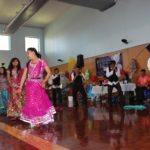
The official program began with Australian & Bhutanese national anthem followed by welcome dance by children. Khem Khanal, Vice President of Bhutanese Organisation in Australia (BOA) officially welcomed the guests and community members to the program.
He said, “This festival has provided an opportunity for young children to learn Bhutanese culture, and dances and some of them, for the first time, performing on the stage. Highlighting the importance of this kind of events, he added, “This exposure and opportunity will encourage them to participate in future programs and develop their leadership skills and build confidence in them.”
As a tradition, the guests were honoured on the stage with DhakaTopi for men and Dhaka shawl for women. The senior members of the Bhutanese communities were honoured with Khadas by the guests as a mark of respect.
In the keynote address, Mr Chin Tan, Chairperson of the Victorian Multicultural Commission (VMC) said that within a span of five years of settlement, the achievement of Bhutanese Organisation has been significant. He further said, “If the community progress in such as way, the next generation of Bhutanese will produce the Prime Minister of Australia”.
Artists dancing
“The working of BOA with service providers and local agencies has shown how closely Bhutanese community work in harmony with wider communities” he added. Mr. Tan presented certificate of appreciation to AMES and Hume City Council for their support to the BOA.
In his address Assistant Commissioner Andrew Crisp from Victoria Police said, the Victoria Police would like to welcome the Bhutanese youths to join Victoria Police. He said, the new community like Bhutanese will immensely benefit from extending their network and friendship with other communities. AC Crisp said Chin Tan is key to promote Multiculturalism in the Victorian community and many of his work go behind the scene to that makes Multiculturalism stronger. AC Crisp presented a certificate of appreciation to the Principal of Bethal Primary School and thanked her for supporting the Bhutanese community when they are new.
Councillor Helen Patsikatheodorou from Hume City Council said, “The way Bhutanese Community have organised themselves so well, this community can be a model to help other new communities”. Extending her commitment to support the community, she asked the community to apply for future funding from council to keep such a vibrant community and culture alive.
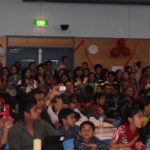
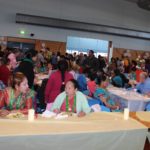
Community members with guests
Addressing the audience, immediate past president of the BOA, Parsu Sharma-Luital JP highlight said that Bhutanese community has achieved so much in last five years.
He thanked the Australian government for the continued support while the Bhutanese are being resettled in Australia. Many of our community members are working full time and part time jobs; many are enrolled in universities and TAFE, which is very different from other new communities, he said.
He further said that Bhutanese community would like the government agencies to record this success and make more resources available for them to progress into the future. Voicing his concern he added, “Sometimes by being very law abiding community, we fail to attract attention of the government and miss out on funding opportunities. There has not been any unlawful issues arising from Bhutanese communities till date”, he added.
The activities of the day included free face painting, jumping castle for children, musical chair, hit the soccer ball through the tire, Bhutanese traditional cock fight, and plug the sweet race by children. Victoria Police’s Multicultural Liaison Officer was in attendance with a police car to demonstrate their work and to familiarise police with the community.
Guests with senior members of the community
The cultural performances included, ethnic Nepalese dances, Bollyhood dances, Sangehni, Balan, rap song composed by Bhutanese youth, Bhuwan Dhimal. The traditional dances were choreographed and dancers trained jointly by Tanka Sharma-Luital and Hanisha Sharma-Luital.
Other guests who attended the event included Ramesh Kumar, General Manager AMES, Rachna Muddagouni CEO, Community West, Dalal Samaan and O’Huget from Hume City Council, Micheal Abdalla, Community Liaison Officer, Asia Desk, Department of Immigration and Border Protection, local communities, members from Nepalese communities and media.
This event was well attended by over 350 people from various communities with the community hall packed all through the event. The traditional Bhutanese cuisine was served to all the guests prepared by Bhutanese members.
Priests including Mr Bishnu Bhakta Bhattarai, Mr. Tika Ram Sapkota and Mr Naryan Adhikari aka Padsale Guruji also attended the festival.
The event concluded by presenting the certificate of appreciation and prizes by Dalal Samaan, Community Development Officer from Hume City Council.
PROGRAM ENDS! 3:45 pm: Kishor Pradhan, president of BCAP, ended the program by offering gratitude to BNS members and participants for allowing his organization to work as local host.
3:40: Chief editor Buddha Mani Dhakal made a final note, and vote of thanks. Dhakal read the names of the sponsors, who supported the event financially, and thanked them on behalf of BNS. He talked all participants and guests, and assured that BNS will sit down soon to finalize the outcomes of this event.
3:30: Certificates of participation handed to all participants, BCAP, and guests presented in the hall.
3:25: KN Timsina from the Bhutanese Community Association of Pittsburgh (BCAP) presenting his independent analysis of the event.
3:20 pm: The presentation by Khatiwada and Acharya ends
2:15 pm: Tika Acharya and Bhagirath Khatiwada from NH doing their presentation on ‘what BNS should look like’. Bhagirath Khatiwada is one of the contributing editors of BNS. Click here to see their presentation in brief.
1:40 pm : RP Subba says BNS should inject what is right in the society. The roadway ahead is challenging, but there is community supporting BNS.
1:30 pm: RP Subba, one of the contributing editors of BNS, presenting his presentation
1:28 pm: Four young youths, all with great interest and some skills in web design namely Mitra Dhital, Radha Timsina, Leela Nepal, Tanka have been officially recognized as the newest reporters at BNS. All of them are based in Pittsburgh, PA.
1:06 pm : The lunch break ! Will resume from 1:25 pm.
12: 50 pm: TP Mishra moderated the panel discussion on future strategies of BNS.
10:34 am: Experienced some technical problems. The group discussions for determining future strategies have just begin. There are three groups.
Oct 12, 2012 3:50pm: The program ends for today. We will resume tomorrow at 9am.
3:25pm: Question-answer session: Isabel is answering questions from the floor.
3:00pm: Lonnie Isabel, Associate Professor, Director of International Reporting Program at the City University of New York is doing his presentation on ‘role of ethnic media in diaspora/US. There are about 270 ethnic media outlets in the USA, according to Isabel. He is exploring the success stories of some of the ethnic media outlets in the United States. Lonnie suggests that BNS should try to sustain both as a non-profit and for-profit.
2:58pm: Rizal’s presentation ends
2:25pm: We are back from lunch. Padam Rizal, one of the regular contributors, is walking the participants & guests through ‘community view of BNS’. Rizal had carried out an independent survey with a set of questionnaire that seeks to explore how the readers of our webpage, www.bhutannewsservice.com, feel.
1:40pm: The presentation ‘walking through BNS’ ends. Now lunch time. We will be back after lunch time.
1:07pm: The presentation ‘walking through BNS’ continues
12:30pm: Presentation ‘walking through BNS—its history, activities’ by Buddha Mani Dhakal, Vidhya Mishra and Tri-Bikram Adhikari kicks off. The presentation is all about how we started our journey in exiled journalism, the challenges surfacing our activities for the continued existence of media hub in exile.
12:29pm: Introduction session ends
12:23pm: Buddha Dhakal, Vidhyapati Mishra, Puspa Adhikari, Tilak Niroula, Tribikram Adhikari, Bhakta Ghimire, Tek Mishra, Hari Dahal, RN Pokhrel and TP Mishra from BNS participated in this the program
12:17pm: Introduction session continues
12:15pm: Lisa’s presentation ends.
11:55am: Lisa’s presentation continues. She is answering the questions both from the participants and BNS chief editor.
Lisa doing her presentation.
11:39am: Lisa Napoli, author of the Radio Shangri-La, is talking via Skype from Los Angeles on the state of media in Bhutan and sharing her first hand experiences working with Kuzoo FM.
“When I first got there (Bhutan), there were very few person working in the journalism sector.”
You’re really doing well at the BNS, says Lisa.
11:35am: Introduction session started–had to stop it, as one of our facilitators, Lisa Napoli, was running out of time, and she is doing a presentation.
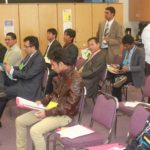
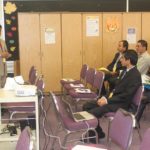
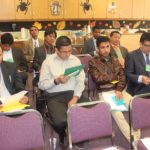
11:00am: Formal program kicks off. Buddha Mani Dhakal, chief editor of BNS, welcoming participants and guests. He is also presenting the objectives of the event.
10:55am: Guests and participants taking breakfast. Two of our contributing editors, RP Subba & Bhagirath Khatiwada are here in the program, as well. Formal program will kick off shortly.
10:33 am: The guests and participants are being registered.
8:15am: All most all US-based BNS team members have arrived Pittsburgh. All preparations have been done. LIVE BLOGGING will continue at 10:30am
At a time when various rumors regarding whereabouts of former Prime Minister Jigmi Y Thinley have been mounting throughout social media, the country’s newly elected PM Tshering Tobgay has compared his basketball sportsmanship with the US President Barrack Obama.
PM Tshering Tobgay
“I think I can take President Obama one on one in basketball,” PM Tobgay told the New York Times (NYT) on October 4.
“I have got some special moves,” added Tobgay, who is four inches shorter than the American President.
And while he intends to spend little time on international affairs, he said, he would make an exception to play basketball with Mr. Obama, wrote the NYT.
“I need to practice my 3-pointers, sharpen my elbows and strengthen my shoulders,” he said with a clear understanding of foreign diplomacy. “You’re a superpower, so my only chance is going one on one.”
Tobgay also lauded that Bhutan has transformed beyond recognition – politically, economically and socially – in the recent years.
The Prime Minister also said that his top priorities was to crack down on growing political corruption, and strengthen anti-corruption agency in the country.
The Mirambeena Community Centre, Lavington in Southern New South Wales, was illuminated by a rainbow of colors on the weekend but not from drizzle amid sunlight in the horizon between the pots of gold.
This was the scene witnessed on October 5 at the Multicultural Festival celebration by Bhutanese in collaboration with people from various cultures clad in their traditional costumes from their former countries.
Artists in the stage
This was the first multicultural event organised by Bhutanese Association in Albury Inc. in Albury-Wodonga region, and on the eve of Dashain festival in conjunction with the fifth anniversary celebration of exiled Bhutanese resettlement in Albury-Wodonga, the first of its kind dated back to October 2008.
Bhutanese Association in Albury President, Teju Chouhan, said he hoped the celebration would help integrate communities on the Border.
He said that the aim of the event was to celebrate diversity, develop connections and foster partnerships with different cultural communities and encourage people to learn each other’s culture.
This program was a perfect occasion for attendees from diverse cultures experience cultural emersion breaking down barriers between cultures, foster conversation and understanding, one of the participants told Bhutan News Service.
“This was also a chance for the Bhutanese community to say thank you to those Humanitarian Settlement Services volunteers who made the transition easier for exiled Bhutanese families in the region,” explained Chouhan.
Chief guest with other guests during the festival
This event provided a day of entertainment and food- and showcased Australian, Bhutanese, Nepalese, African, Filipino, Bollywood, Maori dancing, New Zealander, Zumba and a whole host of vocal and musical entertainers that culminated into group dancing.
The Chief Guest of the event, Mayor Cr Kevin Mack from Albury City Council, highlighted the significance of multiculturalism and contribution made by Bhutanese community on the border.
“This is the sort of multicultural event that our community needs as it elaborates on diversity, richness and understanding it brings in the community,” Mack said.
The other key note speakers included Dr Guinever Threlkeld, Head of Campus, Latrobe University Albury-Wodonga, Deirdire Moulden, Humanitarina Selttlement Services, St Vincent de Paul Society and ESL Coordinator, Riverina Instute of Technical and Further Education(TAFE), Albury Campus
The event was sponsored by Multicultural Council of Wagga Wagga Inc and supported by Albury-Wodonga Volunteer Resource Bureau and two local businesses.
The event received volunteer support from the 3 Star Sporting Club and event management assistance from Mabuhay Filipino Dance Group.
Over 500 people from different cultural communities from local Albury-Wodonga region attended the event.
अाफूले सिड्नी प्रवेश गरेको पाँच वर्ष पुरा भएको अवसर पारी सिड्नीबासी भूटानीहरुले गत शनिबार वारिङ्टनको सामुदायिक भवनमा एक भव्य कार्यक्रमकाबीच पाचाँै वार्षिकोत्सव मनाएका छन् ।
प्रत्येक वर्ष वार्षिकोत्सवका माध्यमबाट वहु-सांस्कृतिक कार्यक्रम गर्दै आएको यहाँस्थित भूटानीहरुको संस्था ए.बि.ए सिड्नीले विभिन्न समूह र प्रतिनिधिहरुलाई समेत कार्यक्रममा आमन्त्रण गरेको थियो। कार्यक्रममा भूटानीहरुको कलाकौशल र वहु-सांस्कृतिक नाचगानका माध्यमबाट मनोरञ्जन गराइएको थियो साथै इथोपियन समाजबाट पनि परम्परागत नृत्य प्रस्तुत भएकाले कार्यक्रममा झनै रौनकता थपिएको थियो ।
गुरुहरुको स्वस्तिवाचनद्वारा कार्यक्रमको शुरुवात गरिएको थियो भने ए.बि.ए सिड्नीका अध्यक्ष डा.ओम ढुङ्गेलले मञ्चले अतिथिहरुको स्वागत गर्दै संस्थाको उद्देश्यमाथि प्रकाश पार्रेका थिए। कार्यक्रमको प्ररम्भमा नै “ वयोवृद्ध बाआमाहरु समाजका धरोहर हुन्” भन्दै भूटानी वृद्ध बाआमाहरुलाई मुख्य अतिथि रहेका अस्ट्रेलियाका सांसद फ्योना स्कटले खादा र बर्को ओढाई सम्मान गरेकी थिइन् । अस्ट्रेलियाका प्रधानमन्त्री टोनी अबटले भूटानी समाजका निम्ति पठाएको सन्देश पत्र मञ्चमा वाचन गरेर प्रमुख अतिथि स्कटले नै सुनाएकी थिइन् तथा प्रधानमन्त्रीको प्रतिनिधित्व गर्दै आफू कार्यक्रममा उपस्थित् रहेको समेत सबैमा जानकारी गराइन् ।
उक्त कार्यक्रममा सिड्नीमा पाँच वर्षदेखि बसोबास गर्दै आएको भूटानी समाजको प्रगति र प्रयासका बारेमा ए.बि.ए सिड्नीका भू.पू अध्यक्ष तथा वर्तमान सल्लाहकार ओम ढुङ्गेलले कार्यपत्रमार्फत समाजलाई पारदर्शिता र सक्षमतातिर डो-याउँदै लैजाने कुरा पनि उल्लेख गरे । कार्यक्रममा गीत-सङ्गीत, भूटानी परम्परागत जोङ्खा र नेपाली नाच तथा प्रहसन प्रस्तुत गरिएको थियो ।
मञ्चको अघिल्तिर तथा दायाँबायाँमा भूटानी युवा तथा स-साना नानीहरुले बनाएका चित्रकला पनि प्रर्दशन गरिएको थियो । ए.बि.ए सिड्नीलाई विभिन्न माध्यमबाट सहयोग गर्दै आएका एम.टि.सी अस्ट्रेलिया, सिडवेस्ट मल्टिकल्चरल सर्भिस, सि.एम.आर.सी पारामाट्टा संस्थाहरुलाई ए.बि.एका तर्फबाट अध्यक्षले प्रसंशा पत्र प्रदान गरेका थिए। विविध क्षेत्रमा पुरस्कृत भूटानी समुदायका व्यक्तिहरुलाई पनि सम्मान र प्रसंशा पत्र दिइएको थियो । साथै २०११ र १२ सालमा स्कुल, टेफ र विश्वविद्यालयबाट उच्च अङ््क प्राप्त गर्ने विद्यार्थीलाई पनि कार्यक्रममा प्रसंशा पत्र दिइएको थियो भने ए.बि.एका भू.पू कार्य समिति सदस्यहरुलाई योगदान स्वरुप कदर पत्र समेत दिई सम्मान गरिएको थियो ।
कार्यक्रमको अन्त्यमा मञ्चमा कार्यक्रम प्रस्तुत गर्ने सबैलाई सहभागिताको प्रमाणपत्रसमेत प्रदान गरियो । ए.बि.एका सचिव सुमन छेत्रीले धन्यवाद ज्ञापन गरेपछि कार्यक्रम सकिएको थियो।
Bhutan’s population figure is ever confusing. Whether the figure is deliberately meant to create confusion is not known. The first official census conducted countrywide was in 1969 prior to the entry into UN at the time of third monarch, King Jigme Dorji Wangchuk. And that census brought out a figure of 1.3 million as official population data of Bhutan.
In the subsequent years, especially through out 1980s, census taking and retaking became usual government business. There was an upsurge of fear in the government officers that a large influx of illegal immigrants was continuing in the southern border, being considered porous. The census in 1985 and 1988 is believed to have found illegal migrants settled in Bhutan without the government knowledge.
However, the assumption of having pretty large ( as big as 100,000?) illegal immigrants settled without government knowledge is born out of baseless fear that Bhutan might be another Gorkhaland or Sikkim. Historically, this fear was created and instilled in Thimphu elites by a political officer in Sikkim.
Despite the unofficial conduct of Bhutanese representatives in presenting the official data in the regional forums like SAARC or ASEAN, Bhutan’s donors are not deterred to provide help. India as a close ally and special friend, is taking the side of Bhutan’s measure to keep a demographic balance, even the at cost of throwing out a large population.
Now, another set of data with discrepancy is out in the media. The discrepancy is between the projection by national statistics bureau and the actual data recorded by the home ministry’s civil registration department. The difference is again the interesting figure of 100,000. The national statistics bureau is believed to have made the projection on the basis of PGR 1.9% of 2005 population.
What does the discrepancy in the registered and projected figures every year suggest? Is that the vital registration is faulty or the projection method used by NSB is erroneous?
Such difference in the figures can be interpreted and maneuvered any way the concerned officials may please. It can also be interpreted upside down to mean that although the actual figure is low, there are more illegal migrants living in the country. That also means a strategy to come for another massive demographic balance. Will this too come with Indian aid?
झापाको भूटानी शरणार्थी क्षेत्रमा शान्ति सुरक्षा कायम राख्न शिविरमा रातको समय अत्यावाश्यक परिस्थिति बाहेक हिड्डुल्मा रोक लगाइएको छ ।
ससस्त्र प्रहरी बल बेलडागी–२
विगतका बर्षहरुमा भएका घटनाहरुलाई मध्यनजर गर्दै आपराधिक गतिविधि न्यूनिकरण गर्न विशेष पहल गरिएको शिविर सचिव सन्चहाङ्ग सुब्बाले बताए ।
सुव्बाका अनुसार शसस्त्र प्रहरी सुरक्षा बेश, यूएनएचसीआर, शिविर रेखदेख समिति, स्थानीय संघ संस्थाबीच छलफल गरी सुरक्षाका लागि अत्यावाश्यक परिस्थिति बाहेक रातको समय शिविर भित्र हिडडुलमा रोक लगाइएको बताइएको छ ।
नजिकिदै गरेका चाडपर्व दशै–तिहारलाई मर्यादित बनाउन शिविर व्यवस्थापन समितिलेसमेत गस्ती परिचालन गर्ने तयारी गरेको सचिब सुब्बाले जनाएका छन् ।
“हरेक नागरिकले आफू जिम्मेवारी भई शान्ति कायममा सहयोग पु-याउँन आवश्यक छ,” सुब्बाले भने ।
यता शसस्त्र प्रहरी सुरक्षा बेश वेलडाँगीले पनि गस्ती तीव्र बनाएको शसस्त्र प्रहरी निरिक्षक तथा बेलडाँगी २ र ३ का वेश प्रमुख दिलबहादुर बडुवालले बताए ।
दिनमा भन्दा पनि रातमा आपराधिक गतिविधि बढि हुने भएकोले रात्रीमा शरणार्थी र शरणार्थी प्रभावित क्षेत्रमा गस्ती सुचारु गरिएको बेशले जानकारी दिएको छ ।
यसै गरी स्थानीय व्यवसायी, संघ संस्था र राजनैतिक दलसँग सम्झौता गरी शरणार्थी क्षेत्र सुरक्षित बनाउँन तत्कालै एउटा अन्तक्रिया गरिने जानकारी निरिक्षक बडुवालले दिएका छन् ।
The Bhutanese artists based in Tasmania of Australia have released a short movie titled “One Day” through Bhutan News Service, Friday.
The ‘One Day’ team in shootingThe ‘One Day’ team
Directed by young artist Obeth Sampang, the movie vividly depicts deepening attachment of Bhutanese youths and children towards different social media thereby ignoring “social interactions”.
The seven-minute long movie features Raju Sharma as lead character, who spends a single day in visiting various places expecting social interactions, but becomes desperate in witnessing firm attachment of youths and children towards social media.
Issac Rai has written script of the movie that features Pabitra Bhujel, Arjun Tamu, Gyam Baali Sampang, Sujan Subba, Tufaney Rai and Alisa Rai, among others.
“This is our first movie. Thus, we don’t have any plans of promoting the movie for commercial shows,” Raju Sharma explained.
“We have tried our best to give strong message through this movie. However, I have no idea how many of our well-wishers would be able to grasp the actual message.”
The Tassie Bhutanese Entertainment has produced “One Day” edited by Samundra Sharma.
न्यु ह्याम्सर । अमेरिकामा सन् २०१३ सेप्टेम्बर अन्त्यसम्म ७० हजार ३ सय ३८ भूटानी पुनर्स्थापित भएका छन् । अमेरिकी विदेश मन्त्रालय (स्टेट डिपार्टमेन्ट) का अनुसार सन् २०१२ अक्टोबर १ मा सुरु भई सन् २०१३ सेप्टेम्बर ३० मा सकिएको आर्थिक वर्षमा ९ हजार १ सय ३४ जना पुनर्स्थापित भएपछि यो संख्या७० हजार कटेको हो ।
अमेरिकाले राष्ट्रसंघीय शरणार्थी उच्चायुक्तको कार्यालय, अन्तर्राष्ट्रिय आप्रवास संगठन र अष्ट्रेलिया, क्यानडा, नेदरल्याण्ड्स, डेनमार्क, नर्वे, न्यूजिल्याण्ड र बेलायतको सहकार्यमा सन् २००८ मार्चमा सुरु गरेको पुनर्स्थापना प्रक्रिया अद्यापि जारी छ ।
हालसम्मका सबै वर्षको तथ्यांक हेर्दा एक आर्थिक वर्षभित्र पुनर्स्थापित हुनेको संख्या सन् २०१३ मा सबभन्दा कम देखिन्छ ।
अहिलेसम्म विश्वका ८ मुलुकमा पुनर्स्थापित भूटानीको संख्या करिब ८३ हजार पुगेको छ । नेपालका शरणार्थी शिविरमा रहेका करिब २६ हजारले आफू पुनर्स्थापनामा जान मञ्जुरी दिइसकेका र उनीहरूका लागि पुनर्स्थापनाको काम शुरु भइरहेको छ भने बाँकी १२ हजारले के गर्ने टुङ्गो गरेका छैनन् ।
अमेरिकाले कूल पुनर्स्थापितमध्ये करिब ८७ प्रतिशतलाई एक्लै बसोबास गराएको छ । बढी भूटानी शरणार्थी पुनर्स्थापित गरिएका पाँच अमेरिकी राज्यः पेन्सलभेनिया, टेक्सास, न्युयोर्क, जर्जिया र ओहायो हुन् ।


 The official program began with Australian & Bhutanese national anthem followed by welcome dance by children. Khem Khanal, Vice President of Bhutanese Organisation in Australia (BOA) officially welcomed the guests and community members to the program.


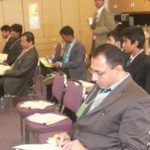
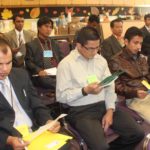
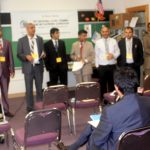
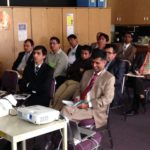

 participants and guests. He is also presenting the objectives of the event.