Home Blog Page 97

‘शरणार्थी जीवन सम्झन चाहन्न’

अस्ट्रेलियाको जीवन कस्तो छ ? यस प्रश्नको जवाफमा मुस्कुराउँदै ८८ औं वसन्त पार गर्नु भएका खडानन्द धिमाल भन्छन,  “के गर्नु, यस्तो राम्रो कानुन भएको देश, जहाँका रैती सधैं खुसी र सुखी पनि, समानता र मानवीय भावना सबैमा व्याप्त । शिक्षामा सबैको पहुँच छ ।  कस्तो उदार राष्ट्र हुनेनहुने सबैवर्गलाई पालेको छ । अस्ट्रेलियाको जीवन मेरा निम्ति सोचेभन्दा उत्तम ।

धिमाल हालै घर किनेर सिड्नीको डूनसाइडमा सपरिबारका साथ बस्नुहुन्छ ।

४ वर्षअघि मात्र अस्ट्रेलिया टेकेका वयोवृद्ध धिमाल सारीरिक रुपले केही कमजोर देखिएता पनि मानसिक रुपले दृढ रहेको परिबारजन बताउँछन् ।

अस्ट्रेलिया आएबाट स्वस्थ्य कम्जोरका कारण दुईपटक ब्ल्याकटाउन हस्पिटलमा लामो समयसम्म भर्ना भई उनको उपचार भएको थियो । अहिले उनमा धेरै सुधार आएको छ । उनी परिवारसंगै आफ्नो दैनिकी धानिरहेका छन् ।

भुटानको जन्म, नेपालको १८ वर्षे जीवन यापन तथा अस्ट्रेलियाको सुरुवात धिमालका आँखा कै अधिल्तिर झल्झल्ती छदैछ

“भुटानको आफ्नो पौरखता कहिल्यै बिर्सन्न, नेपालको शरणार्थी जीवन सम्झन चाहन्न, र वर्तमानमा म जहाँ छु अति नै खुसी छु  ।

(पदम काफ्लेसंग भएको कुराकहानीमा आधिरित)

ABA-Sydney receives community management training

26,644

The extended leadership team of the Association of Bhutanese in Australia (ABA) Sydney received one-day training on community management on April 20.

Participants and a facilitator in the training

The management training, which was organized in collaboration with the Community Migrant Resource Center and Anglicare, was materialized to empower ABA members for effective management of the community organization, informed its Chairperson Dr Ohm Dhungel.

“There was a need of such a training to make our youths more skillful. We put a request to CMRC, and request instant positive response for this training,” said Dhungel, while announcing importance of such a training.

While, ABA advisor Ohm Dhungel did a powerpoint presentation on the organization’s activities, goal and objectives.

Participants took the training as an asset to empower them in the community and better manage the organization.

“The day went extremely useful. This kind of training is a must for all individuals involved in running a community organization. I expect similar trainings in future,” said Krishna Rai, one of the participants.

The trained was expected to play crucial role in enhancing leadership quality among the participants thereby showing clear paths on how to make a good connection with various social and community organizations in Australia, and various aspects that are a must to handle any community organization in Sydney, according to ABA General Secretary, Suman Chhetri.

The council election

26,644
Election for the second term of the National Council serving as upper house of Bhutan’s parliament is set to motion, which is just a day ahead. The election commission of Bhutan has fielded the required staff and equipment in all constituencies of all 20 districts. 

The ground is ready to make a fair and free election, although many voters do not understand what is fair election and what makes a poll free.

People in Bhutan are traveling to their districts and hometowns where their census is registered. 4651 polling officials are dispatched to 850 polling stations across the country, some as remote as two or three days trek from the road head.

Apolitical voting
National Council is apolitical in its making, in the sense it is not represented by political parties. The candidates are said to be non-affiliated to any political parties and have no political mandates or commitments. Some of the candidates made clear to the voters during their first meeting that they had not come to make promises of road or water supply or a bridge for the village. “The National Council is all about reviewing laws to keep people and country peaceful,” said Ganesh Ghimirey, a NC candidate from Samtse.

NC candidates from Samtse

Bhutanese voters in the rural hinterlands and far-flung villages are too ignorant to make distinction between a political candidate and non-political one. Many such electorates saw a faint line between the voting for National Assembly and National Council in the first election and that notion rang this time too. Some of them have definitely inclined to make improvements of the facilities and services by the candidates after they get elected.

Although the candidates embarked on the campaign by visiting village to village and doors to doors, they are not sure of what they have in store for the constituencies, which they are going to represent. Twenty-seven year old Novin Darlami is much less known in the gewog of his constituency, but his father, Bal Bahadur’s name in Tsirang has helped him to get introduced and even chosen for the candidate.

In response to media, voters in some districts have expressed their dilemma over the choice of candidate (as in Samdrupjongkhar) for they are not familiar with the experience and qualifications of candidates. It appears that people are going to polling station with limited knowledge about some of the candidates, just on the basis of hearsay story about them.

The village meeting or zomdu
Most candidates have lived outside their hometown or the constituencies for a long period of time and are not the familiar old faces to villagers. The way these aspirants could meet their voters is the village meeting or zomdu, which is one time event to see faces together. This one-time event of zomdu is not enough time to make the candidates familiar to the constituencies. There was relatively a poor turn out of the villagers in Bartsham zomdu in Trashigang where Dr. Sonam Kinga is the lone candidate. It is attributed to the plantation season. The “yes” or “no” vote in the zomdu is a sort of preliminary polls that has magical spell on the candidates, rather than a consistent way of developing consensus. In many cases, peasant farmers just escaped from their daily chores of tending farms and animals to raise hands in the meeting.

It is again an unintentional number game.

Two female candidates in Tsirang and Chhuka announced their candidacy only in the last hour and the community meeting in villages and towns served the only way to make themselves familiar. The decision making hours are too critical for both voters and contestants. In the districts with a lone candidate to contest (like Dagana), the community meeting through out the constituency is not felt key to campaigning given his/her unanimous election.

The common forum

Debate session in Tsirang(Courtesy: BBS)

It is interesting way to express the bonafide and genuine nature of aspiration to become a parliament member through the common forum in which all the contestants are put to a lukewarm litmus test. The national broadcaster (BBS) made attempts to uncover as many attributes and qualities of the candidates as possible through way of debating and interacting both among the candidates and with the voters. Here again, the time factor is too limiting for the candidates to position themselves better. The question answer session is too short for each candidate to make things clear to voters of such nascent democracy. However, broadcasting of common forums in television gave opportunity to voters outside the constituencies for orienting their franchise and comment on social media, expressing their opinions.

The language of expression
Dzongkha, the national language is certainly the official etiquette to express in such formal meetings as zomdu or common forum. News stories fed by the Kuensel suggest that the candidates speak fluent Dzongkha and express well even if they are Lhotshamps or Sarchhops. But the point is whether the electorates could make out any meaning on what they spoke or really understand the functioning of NC in the parliament. Spoken Dzongkha alone is not the best option to make people understand about the making of parliament members, their roles in the working of democracy, framing of all the new laws and enacting national acts, and ensuring the democracy is not jeopardized.  It is equally challenging to the candidate themselves to use the correct diction in Dzongkha, which does not have a lot of vocabulary for the election, parliamentary process, for solving legal issues and interpretation of the constitution.

Chhatrapati Phuyel from Dorokha, Ganesh Ghimirey from Samtse, Nandalal Dhakal from Denchukha, Novin Darlami and Shyam Basnet from Tsirang, Raghupati Suberi from Sarpang are few to count on who need extra hours of familiarization and interpretation of what they speak in Dzongkha during the common forums and community meetings. Ganesh and Novin seemed to have done that fairly taking time to reach out to the voters in their respective areas, speaking Nepali, the mother-tongue of Lhotshampa people.

In the eastern districts of Samdrupjongkhar, Trashigang, Pemagatshel, Trashiyangtse the candidates quickly switched to Sarchhopkha for the informal discussions with individual voters, mostly the housewives and elders.

The manifesto written in Dzongkha and English distributed by the candidates bear little meaning to the uneducated villagers when sufficient explanation is not provided at the face-to-face meeting.

With very few informational material available and non-existence of library or other knowledge-building resources, limited access to diversified educational materials; the Bhutanese voters are least expected to comprehend simply on the basis of their adult literacy classes.

A faint voice was raised in Samtse on the issue of use of local language for the purpose of campaigning and increasing political literacy. People expressed that the manifesto and other printed brochures should have been written in Nepali too, so that they could better understand.

It is something that people are trying to use the fundamental rights of getting information on the language that they speak best or the right to be educated in their mother-tongue. The NC candidates should vehemently speak up, if they win, to give the people freedom of using their mother-tongue, whenever they face challenge to understand matter of their concern or of national importance.

Promises to keep
Although not politically colored, the NC candidates did have promises to speak for motivating the potential voters.  NC candidates in Wangduephodrang made promises to bridge the gap between poor and rich, by bringing power tillers to the gewog, rebuilding the razed Wangduephodrang dzong and the like. But they also promised appropriate laws and policies to turn things into reality.

Sonam Dorji of Dagana enlisted youth employment, addressing rural-urban migration, reviewing tax, economic development, and a good agricultural policy as his priority for Dagana. Worth mentioning, he had promised to make Dagana a tourist destination when he campaigned for the NC seat five years ago.

The Trongsa candidates also chalked out their priorities; solving youth unemployment, reviewing local government act and promoting tourism.

Both in Tsirang and Samtse, the Lhotsampa candidates are making the most representation and some of them have already vouched for taking care of the census drop out issue. They have promised to make themselves a connecting link between the government and the grass-root people.

Whether or not these promises are kept with sincerity, the probable winning candidates have to be more advocating and steering up the policies to right direction so that welfare of the public is ensured. Be it the micro-enterprise incentive or curbing the youth unemployment, whether it is construction of bridge or opening an area for tourism, Bhutanese parliamentarians need to make them more open and vocal in addressing the issues lying unattended for decades and empower people to take advantage of the democracy exercising their franchise.

The future
The future of Bhutanese democracy lies in the hands of these novice candidates vying for seats in parliament. It is the way to gain more maturity and increase the bargaining power without making themselves as ‘yes men’.

They should not be bound to certain  ‘Do’s and ‘Don’t’s when it comes to matter of national importance impacting the lives of citizens. Once elected, the council members should go back to their constituencies once again to review their to-do list and listen to the most marginalized section of the constituency. They must muster up the courage to speak genuinely and within the framework of the constitution even if that goes against the interest of the bosses.

Are We the Bhutanese Refugees Killing Ourselves?

26,644
Please watch this video clipping before you read


The recent article titled “Bhutanese Refugees are Killing Themselves at an Astonishing Rate” reminds me of the once-much-believed misconception of the mass suicide committed by lemmings. Have we, the Bhutanese refugees, now become the new group of lemmings? Are we killing ourselves as the author claims? Apparently she thinks she has statistics to prove that we are. From a Bhutanese refugee point of view, numbers do not tell the whole story. I was reading in anticipation to finding answers to why and more so to take away some suggestions on prevention or precaution. But like she says, researches have been unsuccessful in making concrete diagnoses as to why the Bhutanese are “killing [our] selves”. Everybody seems to be focused on data and numbers, but do not seem to be looking in depth to the causes. I guess in doing so, it makes good headlines like the author uses – “Bhutanese refugees are killing themselves”. It might be a catchy phrase for her, but to me, a Bhutanese, this is offensive and I feel that this can easily lead to stereotyping. I assume that the author may not be a mental health expert, but it is presumptuous on her part to be publishing the somber condition of our community as a news article without making an effort to provide some kind of tips to the readers (unless her main target audience was intended to be the mainstream American society and she was trying to introduce the Bhutanese refugees as the new group of lemmings). If she could take time to find how many Bhutanese committed suicides, it would not have taken much effort to research some medical advice. Also, there is room in the article where she could have mentioned that Bhutanese are making enormous progress at the same time. Economic recession has not held us back and in fact, Bhutanese are improving the housing and automobile market, at least in Atlanta. One should take note of the number of houses and cars we buy, too. From a positive aspect, I would like to thank the author for bringing this issue to the limelight.

Are we the new lemmings? Lemmings migrate to overcome sudden population explosion and in their attempt to find new grounds, they have to overcome certain barriers like cliffs and ocean currents. Their little brains can render only so little intellect that they plunge from cliffs into the ocean – my human brain at many times cannot measure depth and distance, we are talking about tiny animals here (this is my own scientific explanation). We, refugees, have faced oceans of wrath and met with mountains of adversities and in our zeal to overcome these hurdles, we too have many times plunged into darkness; at least the lemmings see the horizons, but we have just thrown ourselves into the hands of the unknown. In the process, we have been killed and we have killed ourselves. Yet it should be remembered that ours is not a willing migration. We were compelled to make this move; move to seek freedom, move to seek better future and the move does not come without a price. This loss of lives is an unfortunate price that we are made to pay, willingly or unwilling. I think only a refugee knows this better. Human intelligence is a slave to human emotions especially when we are at the mercy of circumstances over which we have no control.

How much price are we still willing to pay? This is a question that we need to be asking ourselves, each one of us Bhutanese. There is no eluding from this question since this question touches every one of us. We have paid the price over twenty some years now, beginning inside Bhutan, then as we trembled our bodies across the borders, as we were emaciated in the banks of Mai Khola (river), as we baked ourselves in the heat of Jhapa, Nepal that was exacerbated by the plastic roofs of the refugee huts. And we are not stopping, even when we fully know that we have reached the land of the free where we are no longer refugees. Here we have enough rights and the possibilities of having a Bhutanese descent American President one day. Now it is time for us as a community to negotiate the price. I feel that the deal should be closed. We are done with the paying. We may never reach home, but this new land that welcomed us is our home now.  Let us come to terms that we have jumped over the cliffs and into the waters and we have survived. Let us carry this survivor mentality, and not give anyone a chance to treat us like lemmings. Let us once more show the entire world and especially to our own selves that if we survived the harshness of a refugee life that was tainted with uncertainty, we will definitely overcome the challenges of resettlement with equal resilience. As done before, let us accept the difficulties with courage and with grace – courage to learn new things in a new place and grace to accept changes. For me, I find it easier to tackle a problem by first acknowledging the problem and then accepting it as my problem and finally taking responsibility of that problem. It is very tempting to blame someone else for the problem or expect someone else to solve it, and doing so leads to too much hurt.

Is it an individual responsibility or community responsibility to try to mitigate this problem with which we are stuck? In times like this, community is intangible and an individual makes a community. So please step up, take ownership and contribute towards a solution. This writing is my attempt to contribute to my community. I am no expert on this topic, but this is my simple way to begin a conversation that we lack. We come from a society that is not good in expressing ourselves. We do not kiss goodbyes or express our love by saying “I love you”.  Similarly, we do not express, “I need help”.  We think that we understand each other without the need of words. Lately, I have come to appreciate the need of expressing. I even surprised my mother by telling her “I love you, Ama”. The experience was therapeutic for both us. I urge every one of us to try to be more open to our selves and our loved ones. Let us learn to be honest to our selves and say “I need help” when we do need help. There are counselors in schools, at work places, at community hospitals, local churches, agencies and community organizations. You can look up for toll-free numbers for your State or call the national suicide hotline given in this website: http://www.suicidehotlines.com/. Instead of treating as a taboo topic, let us talk about it and discuss it. I am hoping that we discussing amongst us will bring some fruitful answers.  Each individual can throw some light and only then can our community shine.

Comments from Bhutanese readers allude to reasons of suicide as unemployment, lack of English language skills, and limited assistance from the resettlement agencies, etc. I am not here to gauge these, but I feel that these are factors that call for more opportunities that can subsequently strengthen us. In the darkest of hours, let us look at our elderly parents for inspiration. They are the ones who build homes in Bhutan and ploughed the Bhutanese jungles into productive fields. Language did not deter them (most did not speak Dzongkha) and the government gave them no grants (no welcome money).  But they flourished. Then they were banished. They lost everything. Now they are here and making every effort to keep themselves happy.  And they stand with their heads held high. While CDC study says that the median age of Bhutanese committing suicide is 34, an adult ESL class is filled with enthusiastic students, no younger than 45. I marvel at the sight of an 83 years old grandpa making an effort to pronounce “EMANCIPATION PROCLAMATION”.  I realize that this is what we, sons and daughters of heroes like this grandpa, should feel and encourage each other to feel. Emancipated.

Reference:
http://www.theatlantic.com/international/archive/2013/04/bhutanese-refugees-are-killing-themselves-at-an-astonishing-rate/274959/

Fire and the Bhutanese Refugees

26,644

Men discovered fire out of great and indispensable need, ages ago. It is the most basic need of mankind. Everyone knows the uses and boons of fire; that it is a good servant and a bad master. Over the past years, Bhutanese refugees have been witnessing and experiencing both aspects of fire. It is apparently okay to be its master at all the times but what it is to be the target of it being a bad master is crystal clear to all. Its devastating and cruel effects are not alien to us. And, although we are quite aware of its worst outcomes; it has been after us as a misfortune is; that is said doesn’t come blowing a whistle or an alarm. All we can do is adopt and resort to safety measures by all means. Are we doing so? May be and maybe not.

Taking into account our type of stay in the camp and the materials that are used to make our shelters; agencies such as Lutheran World Federation (LWF) Nepal, United Nations High Commissioner for Refugees (UNHCR) and the Camp Based Organizations(CBOs) have been carrying out awareness programs and campaigns time and again, especially at the times when we remain prone to the hazards of fire incidents. However, call it a bad luck or the destiny of Bhutanese Refugees, fire has been causing havoc to them almost every year. Yes, that which happens accidently is not within our reach and control. But what about the safety and preventive measures that we can embrace to avoid falling victims to such incidents that cause irreparable loss of lives and properties.

At present, the widespread wish of the refugees opting for third country resettlement is to get resettled in the shortest possible time with the supposed thought of escaping such fire havocs. The sentiment of them can be anybody’s empathy for them. But it is obviously a wishful thought only; resettlement process may probably take some years to come. On the other hand, those opting for repatriation or local integration may have their stay prolonged in the refugee camps. At such a state, it is high time the refugees themselves understood the exact condition of their sheltered lives and took necessary measures to keep themselves safe and secured from the fire hazards.

While it may not be possible and feasible for the concerned agencies to manage everything for the refugees to help them, avoid being fire victims. And, refugees are ever grateful for what they already have been doing and implementing for the sake of refugees’ safety and security. So at this juncture; what can the refugees do; for themselves and by themselves.

  • Remain alert and aware; 24 x 7: Every refugee, especially the head of the family need to remain conscious and sure-shot that there is not at all any possibility of fire cases in the hut. That the sources of fire have been properly doused, switched off or extinguished after the use. A strict check up and supervision need to be made to other members in the family, mostly the children to ensure they are not playing with fire or miss-utilizing the fire.
  • Familiarization with the sources of fire: At present it is not only the coals, fire woods, kerosene that are used as cooking fuels. Refugees who are able to afford are also using gas cylinders. However, every member in the family may not be fully familiar and aware of the function and mechanism of the cylinders and cooking stoves. In such situations, every member of the family needs to be oriented and familiarized with the functions and usage of the gas cylinders and stoves.
  • Power Supply and Cylinders: Also to be aware of is the electrical connection, goods and devices that the refugees have and possess for their convenience and entertainment.

What would also be of great importance is the proper monitoring and regulation of the power connections in the camp from the local areas and the purchase of gas cylinders. Wouldn’t it be proper and effective to implement certain restrictions and regulations on the unauthorized supply and demand of power connections and gas cylinders? This way the refugees in possession of power connections and cylinders would feel more responsive and obligatory.

  • Fire Fighters/Rescue Teams: Although the agencies have provided trainings and orientations on fire fighting and rescue operations; people with such rescue skills either are away from the incident- area or lack the adequate number to combat the disaster. At such a scenario, it may be wise and advisable to train and orient more people, comprising both males and females, capable of combating the sudden and unprecedented incidents of fire in each and every sector/units. What has been observed so far is that people tend to carry their important and urgent belongings to a safer place once they hear or know about the fire-incident. While others are seen to be a silent-spectators or rather busy themselves videoing the fire-disaster. Many of course are out of their wits; nervous and shaken by the incident. At such times; it becomes relevant and sensible to induce courage and confidence to the refugees on the possibility of dousing the fire when it is at its initial stage. So that people may attempt and co-operate each other to avoid and stop the formidable reduction of huts and their belongings into mere ashes.
  • Household preparedness: In every household, it would be proper to remain pre-prepared, prior to the incidents of fire. For instance, arrangement of stock – water in big buckets, drums and galloons can be made. So in case the fire occurs, there is some water – stock in every household, quite handy to douse the fire if in its early stage. Plantation of vegetation like banana also has proved to be helpful in bringing the fire under control. The banana leaves and the stems have proved to be good fire-repellant. It absolutely becomes the duty and responsibility of every household to think of and pre-arrange any of the suitable things and materials that can help minimize the growth and wider spread of fire.
  • Huts’ Proximity – In most of the sector/units; the huts are close and clustered. This apparently has made the spread of fire easier and quicker. Now that the size of refugees has declined; it is worth-while and considerable to regulate the structure and the space of the huts in the camp. Annexation and extension of the huts to suit the need of the refugees have to be supervised and monitored. There should not be any unauthorized and free construction of the huts that would breach the regulation and the criteria set by the concerned agency.
  • Unity among Refugees: There has always been the feeling of oneness and compatriotism among the refugees. They have lived harmoniously over the past years. But some of the incidents have shown that all do not harbor such sentiment. Often we hear about the cases of theft and loss of properties, both cash and kind during the fire-incidents. How inhuman of us to involve ourselves in such acts when just one of us is at a crisis and critical state? It is time we reminded ourselves again that we are the birds of the same feathers and need to cooperatively flock together. We need to be helpful and supportive to one another, especially at the hours of need and crisis.
  • Never say Never: Well, finally if you are thinking that you may never become a fire-victim, then you are absolutely wrong. Who knows, you might be the next victim. So let us come together; work hand in hand and save and protect ourselves from the fire-led disasters in the days ahead.

The views expressed above are solely personal and just only an attempt made to suit the purpose. It may therefore not suffice to meet the exact essence of the subject matter for which the writer is apologetic. 

Beldangi normalizes as CMC clarifies controversy over refugee’s death

26,644

The Situation in Jhapa-based Beldangi-II Refugee Camp, which remained tense since Sunday morning following a ‘controversy’ over death of a 50-year-old refugee inside the Camp Watch Team (CWT) office, has become normal after the Camp Management Committee (CMC) clarified the controversy.

Entrance to Beldangi-II(Courtesy: Dinesh Wagle)

Camp Secretary of Beldangi Refugee Camp, Sangchahang Subba, informed mediapersons this afternoon that one 50-years-old Mukti Nath Sanyashi died in AMDA Hospital following his referral from the camp-based Primary Health Care Project for Bhutanese Refugees (PHCP-BR), a health care project run by the AMDA Nepal.

“Our Camp Watch Team volunteers immediately took him to the PHCP as soon as they found that Sanyashi was trying to kill himself,” Subba told.

“The PHCP found his condition critical and was immediately referred to the AMDA Hospital at Damak. We have all referral related documents.”

Our correspondents reported this morning that dozens of youths protested around the camp committee office demanding stern actions against CWT members, who were deployed on Saturday night, accusing them of punishing the refugee to death.

Dozens of Armed Police Force (APF) personnels were deployed in and around the camp.

The CWT office is learnt to have been partially damaged by agitating refugees, but now APF has increased its security around all CMC offices.

“I am extremely sorry to mention that Sanyashi somehow attempted to commit suicide inside our safe cell,” added the Secretary, refuting allegations of physical punishment as his death.

“We never punish any refugees inside our safe cells,” added the Secretary.

He was kept in a safe room when a mob of refugees attacked him after they caught him red-hand while stealing a mobile set, claimed the Secretary.

Meanwhile, law enforcement officials have taken a few members of CWT for interrogation at Damak Police Station.

The police said it was too early to disclose any information regarding controversy on death of a refugee, and assured a thorough probe into the matter once the postmortem report becomes available.

“We expect the arrival of dead body today itself,” informed the Camp Secretary.

Earlier, an all-party-meeting organized at the CMC office decided to urge authority to conduct a thorough probe into death of a refugee, and bring culprits into a book.

BNS has updated the previous post.

BCRC honors seniors; NY program in MA

26,644

The Bhutanese Community Resource Center (BCRC), Washington honored senior citizens of the community amidst a cultural event and get-together program organized to mark the Nepali New Year 2070, Saturday.

Seniors being honored by BCRC (Picture courtesy: Krishna Ghimirey, Seattle, Washington)

BCRC Chairperson Tulsi Dabadi and former chairperson Tanka Dhital felicitated 70 seniors with a dairy and a pen as symbols of encouragement to participate in the citizenship preparation classes.

Local Bhutanese artists and artists from Portland, Oregon staged various cultural performances including dances and singing.

Young Bhutanese singer Dhan Rai entertained the audiences with his outstanding singing talent.

The Seattle Foundation and 4 Culture, the Seattle-based funders funded the event attended by over 400 members, guests from local non-profits and city officials.

Artists in group dance (Picture courtesy: Khem Mishra,Worcester, Massachusetts)

Meanwhile, the Bhutanese Community of Worcester, Massachusetts also organized a New Year program with full enthusiasm on last Friday.

More than 300 participants attended the New Year gathering, chaired by the President of the organization, Hari Dhakal.

The event saw cultural dances, songs and other items.

CM Niruala reported from New Hampshire with inputs from DP Neopaney from from Seattle.

Is Bhutan’s GNH inclusive?

26,644

Bhutan, a tiny Himalayan kingdom sandwiched between two super powers India and China, has gained popularity after introducing a new development measure, Gross National Happiness (GNH), in recent years. The fourth monarch of Bhutan, Jigme Singey Wangchuck, introduced it in the early 1990s along with his vision of establishing good governance, promoting sustainable development, conserving natural environment and promoting cultural values that created interest far and wide in this exotic country. The popularity of Bhutan rose further when the UN General Assembly adopted a resolution in 2011, known as the ‘happiness resolution.’

When we talk about GNH, it is worthwhile to dig into the survey questionnaire which is instrumental in collecting data. In the GNH Survey Questionnaire, the rating of happiness is measured on a scale of 0 to 10 — zero being not very happy and 10 as the happiest. But what is it really measuring? Many critics have cautioned that happiness is an intangible and subjective concept that is hard to measure. Let us say a person scores 10 for being the very happiest person. Can we say that he is twice as happy as the person who scores 5? Is happiness a constant entity? Doesn’t it change with time, space and mood? The other flaw one can notice in the questionnaire is the cultural bias. The government has strategically glorified the festivals of tshechu, kharam, lha, roop, kharphu, chodpa, zhungdra and boedra, Tsangmo, lozey, the blended culture of the followers of Mahayana Buddhism and Bonism (religion worshiping nature).

It has systematically ignored the rich cultural aspects of other ethnic minority groups such as the Nepali-speaking Bhutanese, who have been in the country for generations. Does it suggest that the GNH is inclusive? Who actually is the happiness for? Is it only for the palace and the government or for the general public who are simply dictated about GNH?

According to Bhutan Broadcasting Service (BBCS), still over 23 per cent of the total population lives under the national poverty line, over 44 per cent are illiterate where over 60 per cent of the rural people and 32 per cent of the urban people never attended formal schooling in the country of GNH. Still the prime minister of Bhutan does not hesitate to brag about the so called GNH.

On September 15, 2010, Prime Minister of Bhutan Jigme Y. Thinley, speaking at the Columbia University’s World Leaders Forum, stated that even the street canines are smiling in Bhutan – enthralling the entire array of luminaries in the forum.

He overlooked the exclusion of one-fourth of the total population who were forced out of the country to live the most pathetic refugee life in eastern Nepal for over two decades.

Similarly, the other absurdity is that when the leader of the People’s Democratic Party, Tshering Tobgay, called on the government to provide a complete public account of the expenses incurred to campaign for the UN Security Council seat in which Bhutan had secured only 20 out of 192 votes on October 18, 2012, the prime minister termed the opposition leader ‘disloyal and unpatriotic’. Is it a new form of good governance that the pundits of GNH envision for?

Further, when we look at the unemployment rate in Bhutan, it is annoyingly dismal. Many of the youth are forced out of service as the number of jobs in the country is dwindling. The 2012 Labour Force Survey Report, published by the Ministry of Labour and Human Resources (MoLHR), indicates that unemployment among youth is still 7.3 per cent. The government of Bhutan has asserted that youth unemployment in the country is improving. According to the Druk Chirwang Tshogpa (DCT) president, Lily Wangchhuk, the rate of unemployment, however, has not dropped from 7.3 per cent despite the government claim. According to Wangchuck, there are more than 3,500 university graduates and over 20, 000 youth still unemployed in the country.

The youth in Bhutan are increasingly plunging into drug and alcohol abuse, which has posed a serious concern to the general public and the nation as a whole. Use of marijuana is a growing issue among them.

The authority blames the open and porous border with India for easy trafficking of drugs into the landlocked country.

According to the Royal Bhutan Police (RBP), there were 231 domestic violence and harassment cases registered in 2012 alone. A total of 3,487 cases of crimes were recorded in Druk Yul in 2010 and 2011 and 1,061 cases were reportedly committed under the influence of alcohol in 2010 and 2011, the RBP claimed.

Similarly, on January 25, 2013, The Bhutanese, an online news portal, reported that a 39-year-old tour operator in Paro, who was drunk, attempted to assault and sexually harass a 29-year-old female tourist from Melbourne, Australia. Obviously, this did send a negative message to the tourists around the world who are passionate about enjoying the pristine nature and innate hospitality of Bhutan. This sexual assault a tourism entrepreneur, indeed, posed a serious threat to safety and security for tourists and the entire tourism industry that has over six per cent share to GDP – the largest convertible currency earner in the country and second highest revenue generator after electricity in Bhutan.Reports of abductions and kidnappings at gunpoint in broad daylight are increasingly rampant especially along the southern border. Editorials in the government’s mouthpiece, the Kuensel, frequently warn readers that the country faces a shortage of doctors and teachers. Paradoxically, urban areas are crowded with doctors while many in the countryside die without even seeing a dispensary. It is not because of doctors themselves but because of poor planning, distribution and coordination on the part of the government.

Another serious problem the country is facing is the border encroachment by China in the north and the west. So far Bhutan has lost 495 square kilometers (Jakarlung Valleys and Pasamlung) in the north and 269 square kilometers (Dramana, Shakhatoe, Sinchulung and Doklam) in the west (Rizal, Govinda. “Bhutan-China Boarder Mismatch.” Bhutan News Service, 1 January 2013:1 Bhutan News Service. 13 February. 2013). It is an issue of national sovereignty, but neither the palace nor the government showed any interest in protecting the territory of Bhutan. Is this how the GNH flourish in the country? This is the biggest jolt being experienced by the people after the introduction of the so called democratic government in the dragon country. If this trend keeps continuing, one day Bhutan would be either one of the provinces of China or one of the northern states of India.

No one but the Thimphu heavyweights and administrators, who claim themselves the custodian of human rights, have grossly violated human rights. People who requested the establishment of human rights in the 1990s were arbitrarily stripped of their nationality, put in jail or expelled from the country.

Over 100,000 southern Bhutanese of Nepali origin, including a substantial number of Sharchops from eastern Bhutan, were ejected and made refugees. Sexual violence and other abuses against girls and women is still unchecked and unreported. A report of Centre for Victims of Torture, Nepal (CVICT) mentions that during the 1990s human rights and democratic movement in Bhutan, at least 2,400 families were tortured. Gang rape was a common means of torture used by the government in the movement, where females between the ages of eight to 81 were sexually assaulted. Over 300 cases of rape were reported, while many went unreported.

Similarly, some minority groups that managed to avoid expulsion in the 1990s are facing persistent discrimination and threats to their citizenship status and daily lives in education, health, employment, and land ownership in Bhutan. They have begun feeling “stateless” in their own country. There is a growing fear among people that they will be forced out of the country sooner or later, given the atrocities growing each day.

The government needs to prepare, plan and come up with sustainable solutions for the real problems Bhutan is facing. It is paramount for the government to address the problem of unemployment. The University of Bhutan needs to develop attractive academic programmes. Let graduates sell their skills after they gracefully graduate from the colleges and support themselves and the country.

Most importantly, the government, political parties in Bhutan and particularly the palace need to come up with a resolution to the refugee imbroglio. It is an opportunity for these three key players to print their names with golden letters in the history of Bhutan by solving the mess caused by the fourth monarch. And for this to happen, they need to present themselves with utmost honesty, true zeal and enthusiasm to recognise these long-lost patriotic and peaceful citizens of Bhutan who were once expelled and forced to take refuge in different parts of the world. They need to acknowledge their importance for the long-term development of Bhutan. It is for the greater interest and benefit of the country resulting in true Gross National Happiness, for the country to value human rights and inclusive democracy.

Above all, to maintain the balance of constitutional monarchy and parliamentary democracy in the tiny Himalayan kingdom, the aforementioned three forces need to work constructively on rebuilding the strained relationship with these true but refugee citizens, and seek support from them in all avenues possible by redefining the constitutional role and responsibility of the people and the palace in the greater interest of peace, security and development. Mere rhetoric statements cannot transform the concept of Gross National Happiness into reality for any nation on earth.

The author is one of the Contributing Editors of the Bhutan News Service. The write-up was first appeared in The Himalayan Times.

‘भूटानी शरणार्थीको इतिहास त्यतिकै हराएर गएको हेर्न सकेनौं’

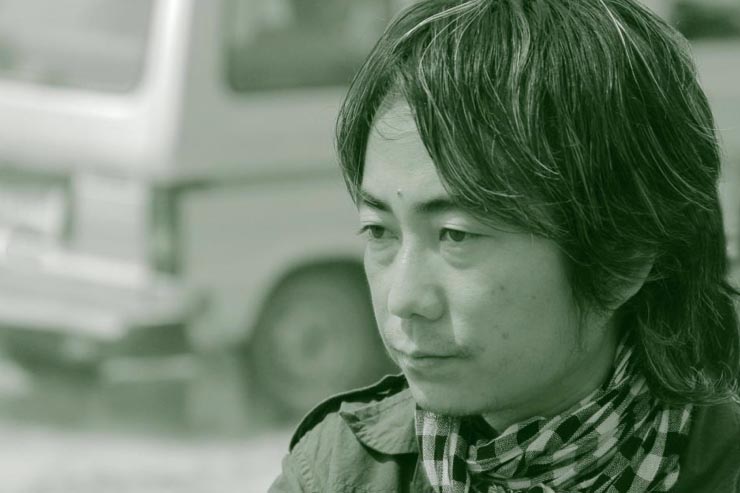
भूटानी शरणार्थीका विषयसंग जोडिएका एकपछि अर्को वृतचित्र वा ठुला पर्दाको चलचित्र आइरहेका बेला, हालमा प्रकाश आङ्देम्बेले निर्देशन गरेको चलचित्र ‘देश खोज्दै जाँदा’ को सबत्र चर्चा–परिचर्चा चलिरहेको छ । ललित कलासंग आवद्ध निर्वाशित भूटानीहरूको संस्था इफकेन्स इन्टरनेसनल फाउन्डेसन, इफाका भूटान, लाइनक्रस मुभिस् अनि गन्तव्य थियेटरको सम्युक्त लगानीमा निमार्ण भइरहेको यो चलचित्रले भूटानी मूलका नेपालीभाषी माननिसहरूको इतिहास र निवार्शित भूटानीहरूका शिविरमा भोग्नुपरेका पीडा ज्वालन्तरूपमा समेट्ने निर्देशक आङ्देम्बेको भनाइ छ । हुन त शरणार्थीको नेपाल बसाइको दुई दशकपछि निमार्ण हुन लागेको यस चलचित्र धेरैको चासोको विषय बन्नु कुनै अनौठो कुरा होइन । निर्देशक आङ्देम्बे चलचित्रको सम्पादनका लागि काठमाडौँ आएको अवसरमा चलचित्र ‘देश खोज्दै जाँदा’ का विविध विषयमा भूटान समाचार सेवाका पत्रकार विद्यापति मिश्रले उनीसंग एउटा विस्तृत कुरा–कहानी गरेका थिए ।

प्रकाश आङ्देम्बे। फोटो/ विद्यापति मिश्र

‘देश खोज्दै जाँदा’ खास कस्तो चलचित्र हो?
यो नेपाली कथानक चलचित्र हो । जसको विषयवस्तु भूटानी शरणार्थी शिविरको वास्तविकतामा आधारित छ ।

दर्शकहरूमा यसले के महत्व राख्छ?
दर्शकहरुमा के महत्व राख्छ भन्ने सबलको कुरा गर्दा यो दर्शक स्वयंले प्राप्त गर्ने कुरा हो । तर हामीले शिविरको वास्तविकतालाई कलात्मक  र इमान्दार तरिकाले प्रस्तुत गर्ने प्रयास गरेकाछौं ।

अहिले के भइरहेको छ?
सुटिंग भर्खर सकिएकोछ । नयाँ वर्ष २०७० सालको पहिलो दिनवाटै सम्पादनको मुख्य काम प्रारम्भ भएको छ । साउण्ड मिक्सिंग, कलर करेक्सन, फिल्मको कलर टोन, हाम्रो सिग्नेचनरट्यून, व्याकग्राउण्ड फिल म्यूजिक आदि बारे विश्वस्त प्राविधिकहरुसँग सल्लाह गरिरहेका छौँ ।

चलचित्रको नाम कसरी छान्नु भयो?
म भूटानी शरणार्थी शिविर र त्यहाँ भित्रका प्रतिभाहरुसँग डेढ दशकदेखि नजिक छु । नजिक भएपछि त्यहाँका हरेक कार्यहरुसँग म प्रत्यक्ष, अप्रत्यक्ष रूपमा जोडिएकोछु । आफ्नै आँखा अगाडि नै हेर्दा हेर्दै क्याम्पहरु आगलागिबाट खरानी भए । तीन वटा शरणार्थी क्याम्पहरु (गोलधाप, टिमाई, खुदुनाबारी) विस्थापित भए । रातदिन सँगै उठवस गरेका नजिकका प्रतिभाहरु बिदा भएर तेस्रो देश लागे । अपसोच, अबको केही वर्षमा सायद शिविर नरहला । यिनै कुराहरूलाई मध्यनजर गर्दा शरणार्थी क्याम्पका वास्तविकता यतिकै हराएर जालान् कि भन्ने कुरामा सम्बन्धित स्रष्टाहरु र कलाकारहरू, शुभेच्छुकहरुसँग कुरा उठ्यो । केही त गर्नै पर्छ भन्ने लाग्यो । सबैसम्म पुग्न कस्तो कार्य उचित होला भन्नेमा निकै समय लाग्यो । अन्तत कथानक चलचित्र निर्माण गर्ने निर्णय गर्‍यौ । यो सोच आएपछि चलचित्रका सहकर्मी स्क्रिप्टराइटर उपेन्द्र सुब्बासँग कथा रिसर्च गर्न थाल्यौ । बहसकै क्रममा तात्कालिक सम्बाद संगीतालय अनामनगर काठमाडौँमा कवि श्रवण मुकारुङ, सञ्चारकर्मी पारसमणी नेपाल, देवेन्द्रराज भट्टराई, रेडियोकर्मी अमरध्वज लामा, संगीतकार पारस मुकारुङ, कवि चन्द्रबीर तुम्बापो आदि बसेको बेला देबेन्द्रराज भट्टराईले यो शीर्षक राम्रो हुन्छ भनेर भन्नु भो । हामीलाई त्यही शीर्षक उचित लाग्यो, अनि राख्यौं ।

भूटानी शरणार्थी समस्यासंग जोडिएका धेरै वृतचित्रहरू निर्माताका लागि आर्थिकरूपले आकर्षक ‘प्रोजेक्ट’ बन्ने गरेका कुरा आइरहेका बेला ‘देश खोज्दै जाँदा’ पनि त्यस्तै चलचित्रको सूचीमा जाँदैन?
पहिलो कुरो शरणार्थी समस्या हाम्रो चलचित्रको विषयभन्दा बढी आत्मिक, भावनात्मक संवेदनाको सम्बन्ध हो ।
आखा अगाडि नै लाखौँ नेपालीभाषी भूटानीहरुको हराउँदै गएको लाचार वास्तविकता हो । इतिहास हो । शुभचिन्तक, स्रष्टाको नाताले आफन्तहरुको इतिहास त्यतिकै हराएर गएको हेर्न सकेनौं र यो चलचित्र निर्माण गरेका हौँ । शरणार्थी शिविरका बारेमा दातृनिकायहरुले आफ्नो अनुकूल डकुमेन्ट बनाए । राजनीतिज्ञ, मानबअधिकारकर्मीहरुले आफ्नै अनुकूल डकुमेन्ट बनाए । नेपाल सरकार र भारत सरकारले आफू अनुकूल डकुमेन्ट बनाए । तर क्याम्पभित्रै बसेका आम भूटानीहरुको वास्तविकतासम्म कोही पनि पुगेनन् । एउटा स्रष्टाको आँखाले यी सबै कुरा नियालिरहेको थियो । उनीहरूको भोगाइमा, देखाइमा शिविरको बसाइ अवधि कस्तो रह्यो । यिनै कुरा प्रस्तुत गरेका छौँ । अन्य बारेमा अहिले सोचेका छैनौ ।

तयारी भइसक्दा लगानी कति हुन आउछ?
अस्ति प्रेसजानकारीमा हामीले सुटिंग भरिको मात्र अनुमानित बजेट ४०लाख नेपाली भनेर भनेका थियौँ । तत्काल सुटिंगको चटारोले वास्तविक हिसाब कति भयो थाहा थिएन । भर्खर मात्र प्रारम्भदेखि आजसम्म कति खर्च भयो भनेर हिसाब निकाल्यौं । नगद लगानी मात्र ठयाक्कै ६४ लाख नेपाली पुग्यो । पोस्ट प्रोडक्सनको खर्च बाहेक । हाम्रो सम्बन्ध र विषयवस्तुको सम्वेदनसिलता देखेर सम्पूर्ण फिल्म युनिटले नै सहयोग गरे । प्राविधिकहरुले कम शुल्कमा सहयोग गरे । कलाकारहरू कसैले पनि पारिश्रमिक माग्नुभएको छैन । १०० जना टिमले तीन महिना(सेट निर्माणदेखि सुटिंगसम्म) निरन्तर खटे । त्यो बाहेक धेरै दृश्यमा सयौँ मानिसहरूले सघाए । शिविरका भित्रका प्रशासनिक संयन्त्र, अग्रज, अनुभवि, स्रष्टा, समाजसेवीहरु र शिविर बाहिरका नागरिक समाज, स्थानीय समाज, समाजसेबि, प्रशासनिक संयन्त्रले विषयवस्तु र तात्कालिक दुर्घटनाको सम्भावना र समाधानको वास्तविकता बताएर सघाउनु भयो । सबैलाई आर्थिक रूपान्तरण गरेर हेर्न हो भने करोडौ नाघ्न सक्छ ।

दमकमा गरिएको पहिलो पत्रकार सम्मेलनमा बोल्दै आङ्दाम्बे । फोटोः तिलक निरौला, विएनएस

कसरी जुट्दैछ त्यत्रो लगानी?
यो सोच सन् २००५ तिर प्रारम्भ भयो । निकटका केही साथीभाइहरुलाई सुनाएँ । केहीले विश्वास गरेँ, केहीले पत्याएनन् । मलाई पत्याउने आधार पनि थिएन । तत्काल डेरामा बस्ने, सडकमा हिड्ने मान्छेवाट यत्रो कुरा कसरी सम्भव हुन्छ ? भन्ने थियो धेरैलाई । दश जना मिलेर तीन तीन लाख उठाउने योजना थियो । स्रष्टा अशोक बस्नेत बाहेक सबै साथीहरू टाढिए । टाढिए मात्रै त हुन्थ्यो । “प्रकाश आङ्देम्बे नपुग्ने सपना देख्छ, यस्तो काम नलाग्ने स्टोरीमा दुनियाँको पैसा डुबाउन खोज्दैछ” भनेर कुरा काट्न थाले । मेरो सपनाको सामु चुनौतीको पहाड उभिएको थियो । मैले धेरैसँग यो बारेमा सहयोग मागें, हारगुहार मागें तर कसैबाट पनि झुटो आशाशिवाय केही मिलेन । शिविरभित्रका कलाकारहरुलाई सम्झेर स्क्रिप्ट लेखेका थियौँ तर सबै कलाकारहरू आँखा अगाडि नै रुँदै तेस्रो देश पलायन हुन थाले । यी सबै कारणले झन्डै डिप्रेशन भयो बिचमा । यतिबेला मलाई साँच्चै नै माया गर्ने, बुझ्ने शिविरभित्रका र बाहिरका स्रष्टा भाइवहिनीहरुले साथ दिए । क्रमश: नेपाल, दार्जिलिंग, सिक्किम र संसारभर छरिएर रहेका स्रष्टाहरुसँग यो विषयमा कुरा हुन थाल्यो । नेपाली जातिका वरिष्ठ र सृजनशिल व्यक्तित्वहरुले डा. तुलसी भट्टराई, प्रा.डा. गोविन्दराज भट्टराई, मनप्रसाद सुब्बा, विन्द्या सुब्बा, नगेन्द्र गोर्खा, मणिकमल क्षेत्री, राजन मुकारुङ, याम थुलुङ, विद्यापति मिश्रलगायतले मानसिक साथ दिन थाले । मलाई ऊर्जा मिल्न थाल्यो । यही बेला कलाकार, फिल्म मेकर मित्र प्रल्हाद गुरुङसँग भेट हुन पुग्यो । हाम्रो सपना एउटै थियो । हामीले सोचेको विषय एउटै थियो । यसलाई अगाडि बढाऊँ हामी छौँ भन्नु भयो । त्यसपछि हाम्रा मित्र कार्यकारी निर्माता बिरेन्द्र क्षेत्रीसँग(इफकेन्स र लाइन क्रस मुभिज्) भेट भयो । वहाँको प्रयास साथै इफका भूटान र गन्तव्य थिएटरवाट स्कुलिङ भएका भाइबहिनीहरुको स्वेच्छिक र प्रेमिल सहयोग, हाम्रो सपनालाई साथ दिनुहुने आफन्तहरु, केही रकम सापटी, केही रकम ऋणमा जुटाएर यो कार्य गर्‍यौँ ।

चलचित्रका मुख्य विशेषता र आकर्षणहरू के–के हुन?
शरणार्थी विषय आफैँमा सम्बेदनशील र अन्तराष्ट्रिय विषय हो । संसारमा अन्य देशका शरणार्थी आपसी मारामारका कारणले भएका हुन् । भूटानी शरणार्थी राजनैतिक आवाजका कारण भएका हुन् । यो विषय नै फरक छ । मेरो आफ्नो दृष्टिकोणमा भूटानी शरणार्थी, शरणार्थी मात्र होइनन् राम्रा र असल प्रतिभा पनि हुन् । यो विषयलाई हामीले कसरी प्रस्तुत गर्ने भन्ने बारेमा संसारका राम्रा राम्रा महोत्सवहरु नियाल्यौँ, चलचित्रहरु हेर्यौ, फिल्मेकिंग सम्बन्धी कार्यशालामा सहभागी भयौँ र कुनै पनि चलचित्रसँग प्रभाव नपर्ने गरी, स्टोरी टेलिङ आइडिया अरूसँग नमिल्ने गरी हाम्रो आफ्नो तरिका प्रस्तुत गरेका छौँ ।

आङ्देम्बे

कलाकारहरूलाई निःशुल्क भूमिका निभाउन लगाउनु भएको भन्ने कुरा छ नि?
हामीले जम्माजम्मी कमाएको भनेको साथीहरू र इज्जत हो । यही कारणले जब मैले स्टोरी सुनाएँ, बाबु बोगटीले पाँच वर्ष अघिदेखि यो विषयमा साथ दिइरह्यो निरन्तर । हेमन्त बुढाथोकी, अरुणा कार्की, आदि लगायत ५० जना जति सबै कलाकारहरूले राम्रो काम पैसाले पाइदैन भनेर पारिश्रमिकको कुरा नगरी साथ दिए । वहाँहरुलाई हृदयभरीबाट धन्यवाद दिनु बाहेक हामीले केही दिन सकेका छैनौ ।

‘कपोकल्पित्’ दृश्यहरू चलचित्रमा कतिको राख्नुभएको छ?
हामीलाई कसैको आँसु र रोदन सिधै खिचेर विश्व बजारमा जानु छैन । हामीलाई हाम्रो कला र बिचारप्रति विश्वास छ । कला तयारीको लागि जीवनको ५ वर्ष लगानी गरेका छौँ जुन पैसामा साट्न सकिँदैन । हामीले वास्तविकता माथि काम गरेका हौँ । जुन कुरा भोलिको लागि इतिहास हुनेछ । कुनै पनि बहानामा कसैको इतिहासमाथि खेलवाड गर्नु हुँदैन भन्ने कुरामा हामी दृढ छौँ । इतिहास भन्दैमा फेरि यो चलचित्र डकुमेन्टी चाहिँ होइन । यसमा ड्रामा, सस्पेन्स छ । कतिपय दृश्यहरुमा दर्शकले थाहा नपाएका कुराहरू जस्तो पनि ठान्लान् तर त्यो सम्बन्धित दर्शकको अज्ञानता हुन जान्छ । हामीले सोधेर, खोजेर, पात्र स्वयम् भेटेर मात्र काम गरेका छौँ ।

निर्देशकको हिसाबले भन्नुप र्दा नेपाली फिल्मी इन्डस्ट्रीजमा ‘देश खोज्दै जाँदा’ ले कस्तो स्थान ओगट्ला?
म कहिले पनि आफ्नो स्थान खोजेर हिँड्दिन । यो चलचित्र मेरो आफ्नो कारणले मात्र बनिएको होइन । यसमा हजारौँ शुभेच्छुकहरुको आर्शिवाद, प्रेम, साथ, सहयोग छ । प्राविधिकहरुले पनि उत्तिकै साथ दिएकाछन् । कलाकार, सहयोगी सबैले आफ्नो सम्झेर काम गरिदिनु भएको छ । मेरा आदरणीय मितज्यू साम्तेन भूटिया(निर्देशकः लेटर) भूटियाले आफ्नो फिल्महरु छाडेर यस चलचित्रमा निर्देशनका कतिपय पाटोमा सहयोग गरिदिनु भएको छ । सुन्दर सटहरु कम्पोज गर्न सघाउनु भएको छ । हामी सबैले मिहिनेत र मिलेर काम गरेका छौँ ।

कुनै नयाँ तरिका, प्रविधिको प्रयोग गर्नुभएको छ कि?
नयाँ, नौलो, फरक भन्ने गफ दिनु उचित लाग्दैन । सबै सामान्य छन् तर हामीले आफ्नो शैली निर्माण गरेका छौँ । नेपाली चलचित्र क्षेत्रमा भएका सबैभन्दा राम्रा सामाग्रीहरू, ज्ञाता र सम्बन्धित मान्छेको हातबाट चलाएका छौँ । सिंग साउण्ड प्रयोग गरेका छौँ । किनभने शिविरभित्र निस्कने आवाज, सामाग्री र जीवनशैलीको आवाज पैसाले किन्न पाइन्न । त्यसलाई स्पोटमा नै रेकर्ड गरेका छौँ । ट्रली, क्यामेरा, जीप आदिको मोसन र मुभको अर्थ दिएका छौँ । व्याकग्राउण्ड म्युजिक पनि त्यही जीवनशैलीसँग मिल्ने गरी शिविरकै अग्रज कलाकारको आवाज र वहाँले प्रयोग गर्नुहुने बाजालाई रेकर्ड गरेका छौँ ।

भूटानीहरूबाट चलचित्रप्रति कस्तो हौसला पाउँदै हुनुहुन्छ?
म देश, नागरिकता भन्दा पनि प्रतिभा र सृजना माथि विश्वास गर्ने मान्छे हुँ । नेपालीपन र नेपालीमन बाँच्नेमाथि विश्वास गर्ने मान्छे हुँ । जो नेपाली पनि हुनसक्छ । भूटानी पनि हुनसक्छ । या अन्य देशका पनि हुनसक्छन् । पहिलो कुरो हामीलाई यो विषयमाथि चलचित्र बनाउन मन लागेर बनाएका हौँ । मेरो जीवनमा स्वभावैले भूटानी नेपालीहरुसँग आत्मीय सम्बन्ध बन्यो । सृजनात्मक सम्बन्ध बन्यो । वहाँहरुसँग मेरा हरेक काम र सृजनाहरु आत्मीय भएर रहे । यसको अर्थ यो होइन कि, यो चलचित्र भूटानीहरुलाई मात्र तार्गेट गरेर बनाइएको हो ? संयोग त्यस्तो लाग्न सक्ला तर हामीले यो चलचित्र संसारलाई देखाउन मिल्नेगरी बनाएका हौँ । प्रतिभा र सृजनामा हामी संसारको कुनै देशभन्दा कमजोर छैनौँ ।

सम्पादन टोलीका साथ आङ्देम्बे (सौजन्यः नविन प्राचीन)

चलचित्रको एडिटिङ–मिक्सिङ अमेरिकामा हुने हल्ला छ नि, के यो सत्य हो?
पहिलो कुरो मलाई विदेश मोह कहिले पलाएन । कामको सिलसिलामा समयले घुमाएछ भने अलग कुरा हो । प्रतिभा संसारको कुनाकुना पुग्न सक्छ तर व्यक्ति पुग्न सक्तैन भन्ने मान्यता बोक्छु । अचम्म लाग्ला तपाईँहरुलाई कि अहिलेसम्म मैले पासपोर्टसम्म बनाएको छैन भनेर । धेरै देशका धेरै कार्यक्रम र धेरै साथीहरूको निम्तो असफल भएकोछ मबाट । साथीभाइ र आफन्तको करले बल्ल अब बनाउने सोचमा छु, हेरौं के हुन्छ । फिल्म सम्पादनको विषयमा आर्ट डाइरेक्ट प्रल्हादजीसँग वहाँ अध्यनरत वासिंटन सेटल स्थित युनिभर्सिटीको फिल्म स्टुडियोमा काम गर्ने कि भन्ने अनौपचारिक चर्चा चलेको मात्र हो । सृजना भनेको प्रविधिलेभन्दा बढी चेतना र संवेदनाको बोधले सृजिने तत्व हो भन्ने हामीलाई थाहा छ । तसर्थ सम्पूर्ण फिल्मको सम्पादन कार्य काठमाडौँमा एस्लेसा एन्टरटेन्मेन्ट सर्भिसले नै गर्ने भन्ने कुरा पक्कापक्की भयो । यसको फाइनल टचका लागि केही महिनापछि प्रल्हादजी स्वय्म २०० भन्दा बढी देशका कलाकारहरुको सहभागिता फ्रान्सको पेरिसमा हुने अन्तराष्र्टिय पेन्टिंग प्रदर्शनीमा नगएर नेपाल आउने हुनुभएको छ ।

पर्दामा कहिले आउँछ?
बढीमा पाँच महिना लाग्ला ।

अन्तयमा, के भूटानी शरणार्थी पुस्तौदेखि उनीहरूको देश खोज्दै हिडेका मानिस हुन् ?
हामी कलाकर्मीहरु सबैभन्दा पहिले सम्बेदनाको कुरा हेर्छौ । हाम्रो आँखा अगाडि लाखाँै नेपालभाषी भूटानीहरु को जीवन र भोगाई बिस्तारै तितरवितर हँुदै गएको पायांै । सम्बन्धित विषयमा काम गर्नुपर्छ भन्ने जिम्मेवारी बोध ग-यौं ।। संयोगले चलचित्रको नाम देश खोज्दै जाँदा जु-यो । यो एउटा चलचित्रको शीर्षक र सिम्बोल मात्र हो । यसैलाई आधार बनाएर सारा भूटानी शरणार्थीहरुको भोगाइ, जीवनयात्राको समग्रतालाई प्रश्न नगरिदिनुस् । बरु हाम्रो यो कार्यले नेपालीभाषी भूटानी शरणार्थीहरुको यात्राको कुनै कालखण्ड चलचित्रकै रूपमा भए पनि डकुमेन्टेसन भएछ भनेर मनमा गुनिदिनुस् । यति भो भने शरणार्थीको रूपमा लखेटिएका नेपालभाषी भूटानीहरुको मूल सम्बेदनाले निरन्तर खोजिरहेको प्रश्नको उत्तरमा हाम्रो तर्फबाट थोरै भए पनि केही काम भएछ भन्ने हामी ठान्नेछौं ।

भूटानी नेताहरूको व्यवहार र पुनर्वास भएका शरणार्थीको पीडा

हेम गिरी, शनिश्चरे

भूटानी शरणार्थीहरुले नेपालमा शरण लिएको करिब २३ वर्ष भएको छ । यो अवधिमा कतिपय भूटानी नेताहरू तेस्रो मुलुक पुनर्वास भिइसके भने कति नेताहरूले लाखौंको खेती गर्दै नेपालमै बसिरहेका छन् । भूटानी शरणार्थीको स–सम्मान स्वदेश फिर्तीको माग गर्दै लाखाँै रुपैयाको खेती गरेका र अहिले पनि गरिरहेका नेतृत्वपंक्तिका मानिसहरू धेरै छन् । स्वदेश फिर्ती अन्दोलनको निहु गरी पैसा कमाउने काममा सक्रिय देखिएका धेरै भूटानी नेताहरू आज–भोलि शिविरमा हुने गतिविधिबाट टाँडिदै आएका छन् । भूटानी शरणार्थी शिविरमा अहिले कुनै पनि नेता खोज्दा पाइँदैन । हुन त पहिले पनि शिविरमा त जोगेन गजमेर, नाराद अधिकारी, रतन गजमेर लगायत नेताहरू मात्र बस्ने गर्दथे । अन्य नेताहरूको बस्ने स्थान थियो दमक, विर्तामोड, काठमाडौँ अनि भारत । अहिलेको सन्दर्भमा कुरा गर्दा चाँहि, भूटानी नेताहरूलाई शिविरमा खोज्दासमेत भेटिदैन । भूटानको ऐतिहासिक पार्टी भुटान पिपल्स पार्टीका सभापति बलाराम पौडेल, भूटान राष्ट्रिय प्रजातान्त्रिक आन्दोलन सङ्घर्ष समितिका अध्यक्ष टेकनाथ रिजाल लगायतका नेताहरूले काठमाडौँमा बैठक गरेर स्वदेश फिर्ती अभियानलाई स–सक्त रूपमा अगाडि बढाउने कुरा ‘बालुवामा पानी हाले’ जस्तो हुन पुग्यो । ती नेताहरू कै उक्त अभियान सफल हुन सकेन ।

अहिले भूटानी नेताहरूले शरणार्थीको समस्यलाई चासोको विषयका रुपमा लिन छोडिसकेका छन् । शिविरमा राहतबाट बन्चित भूटानी शरणर्थीले आफ्नो पहिचानको लागि र शिविरमा शरणार्थी सरह बस्न पाऊँ भनेर आमरण अनशन गरेका थिए । तर, उक्त आमरण अनशनमा कुनै पनि पार्टीका नेताहरूले सम्बन्धित पक्षसंग अन्दोलनकारीका माग सम्बोधन गरिदिन आग्रह गरेनन् । उक्त आमरण अनशनलाई नेपालमा रहेका भूटानी पार्टीका नेताहरूले बेवास्ता गरे पनि नेदरल्याण्डनिवासी भूटानी अधिकारकर्मी लक्ष्मी ढकालले टेकनाथ रिजालको पार्टीमा पुनर्वास भएका भूटानी शरणार्थीले संयुक्त रूपमा प्रधानमन्त्री डा. बाबुराम भट्टराईलाई पठाएको ज्ञापनपत्र प्रधानमन्त्रीको कार्यलयमा पुर्याइदिनोस् भन्ने इमेल गरेता पनि रिजालको पार्टीले त्यो कुरालाई वास्तै गरेन । उनीहरलाई टन्न पुगेको छ, अरूको के मत्लब र ? उनी जेलमा हुँदा र उनको रिहाइपछि मुष्टिदान गरेका भूटानी जनताको मागप्रति मौन (चुपचाप) बसेका रिजाल जस्ता नेताहरू शरणार्थीदेखि घृणित हुँदै छन् । नेपालमै रहेका नेताहरू नै भूटानी शरणार्थीहरुको मागप्रति चुपचाप देखिएपछि तेस्रो मुलुक पुगेका नेताहरू बोल्नुको अर्थ के त ? बरु भूटानी निष्ठावान नेता रोङथोङ जिउँदो रहेको भए, उनले बोल्ने थिए होला । भूटानी शरणार्थीहरुले को नेता कस्तो भन्ने कुरा बुझिसकेका छन् । नेताहरुबाट हुने झिनो आशा अब शरणार्थीहरुले एउटा झुठो आश्वसनको रूपमा लिन थालिसकेका छन् । भूटानी नेताहरूको शरणार्थीलाई स–सम्मान भूटान फर्काउँछौ भन्ने कुरा त अब ढुङमा फूल रोप्दा फुल्छ होला तर त्यो अभियान कुनै पनि हालतमा सफल हुँदैन । म यो कुरा ठोकुवा दिएरै भन्न सक्छु । भूटानी नेताहरूको चाल र चरित्रले यी सम्पूर्ण कुराहरू स्पष्ट रूपमा बझाएको छ । ‘जो अगुवा उही बाटो……’ भने झैँ अभियान मै लागेका पार्टीका अग्रज नेताहरू नै तेस्रो मुलुक पुनर्वास भएपछि कसरी उनीहरूको अभियान सफल हुन्छ त ? भूटानी पार्टीभित्र देखिएको बेमेल, फुट र अन्तरसंघर्ष कारण नै स्वदेश फिर्ती अभियान सफल हुन सक्दैन । अर्कोतिर त्यसै कारणले गर्दा भूटानी पार्टीका अग्रज नेताहरू धमाधम पुनर्वास हुँदैछन् ।

भूटान प्रजातान्त्रिक पार्टीका अध्यक्ष थिन्ले पेन्जोर र प्रवक्ता नारद अधिकारी सहित डि आर कट्टेल, राजमान गुरुङ, रतन गजमेर, जगेन गजमेर, छविलाल तिम्सिना, गोपाल गुरुङ आदि नेताहरू तेस्रो मुलुक पुनर्वास भइसकेका छन् भने भूटान फर्काउने पार्टीका आर.के बुढाथोकी, केवी खड्का र शान्तिराम नेपालको शिविरमै हत्या भएको छ ।

शरणार्थी सम्बन्धि राष्ट्रसंघीय उच्चायोग (युएनएचसिआर) ले अमेरिका, युरोप तथा अस्ट्रेलिया लगायतका आठ मुलुकमा भूटानी शरणार्थीलाई पुनर्वास गराउँदै आएको छ । पुनर्वास भएका कतिपय नेताहरूले आठै मुलुकबाट एकैचोटि भूटान फर्काउने अभियान सुरु गर्ने आफ्नो फेसबुक पेजबाट बताए पनि अब त्यस्ता कुरा शरणार्थीहरुले कुनै पनि अवस्थामा पत्याउने छैनन् । मलाई लाग्छ, भूटानमा प्रजातन्त्र हुनुपर्छ भन्ने नेताहरु अहिले तेस्रो मुलुकमा मजदुर सरह भएका छन् । भूटानी नेताहरूले स्वदेश फिर्ती अभियानलाई चासोको विषयमा नहेरेपछि भूटानी शरणार्थीभित्र रहेको एउटा आशा र भरोसा निराशामा बदलिएपछि उनीहरू पनि धमाधम तेस्रो मुलुक हानिन थाले । पछिल्लो जानकारी अनुसार करिब ७५ हजार भूटानी शरणार्थीहरु अमेरिकामा मात्र पुनर्वास भइसकेका छन् । शिविरमा अहिले न त स्वदेश फिर्ती अभियान चलेका छ न त शरणार्थीले स्वदेश फिर्ती अभियान सञ्चालन गर्ने पार्टीका नेताहरुसँग आफ्नो समस्या र माग राख्न पाएको छन् । भूटानी नेताहरूको कार्यशौली नियाल्दा मलाई लाग्छ उनीहरू चरित्रहीन भइसके । टेकनाथ रिजाल र बलाराम पौडेलले आफू तेस्रो मुलुक नगएता पनि उनीहरूले आफ्नै सन्तानहरुलाई तेस्रो मुलुक पुनर्वास गराइसकेका छन् । कुनै विषयको प्रेस विज्ञप्ति बाड्न खप्पिस पौडेलले शरणार्थीको समस्याबारे किन टाढिन खोज्दै छन् त ? अनि, अन्दोलनलाई पछि सारेर पूर्णरुपले लेखन कार्यतिर लागेको भन्दै शरणार्थी समस्याबाट पन्छिने तर शरणार्थीको वरिष्ठ नेता हुँ भनेर नेपाल सरकारबाट ३६ लाख चुसेका टेकनाथ रिजालले पनि किन शरणार्थीहरुको समस्याप्रति आफ्नो ध्यान केन्द्रीत गर्दैनन् त ? शरणार्थीसम्बन्धि विभिन्न सघं संस्थाबाट नियमितरुपमा पैसा चुसिरहने हाम्रा भूटानी नेताहरू नै शरणार्थीहरुको समस्या र मागको आवाज सम्बन्धित पक्षसामु उठाउँदैन भने शरणार्थी शिविरमा बसेर भूटान फिर्ने आशा राख्नुको के अर्थ भयो र शरणार्थीले ? अहिले साच्चै भन्नु हो भने भूटानी नेताहरूको स्वदेश फिर्ती अभियानमा तुषारापात भइदिएको छ । मलाई लाग्छ, अब भूटानी नेताहरूले स्वदेश फिर्ती अभियानलाईभन्दा तेस्रो मुलुक पुनर्वास भई पीडा र समस्याको बाबजुद काम गर्दै आएका भूटानीहरुको पक्षमा वाकलत गर्नु पर्छ । किन कि, तेस्रो मुलुक पुनर्वास भएका अधिकांश भूटानी शरणार्थी पिटाई र लुटाईको सामना गर्न बाध्य भइरहेका छन् । शरणार्थीहरुले तेस्रो मुलुकमासमेत असुरक्षाको महसुस गरिरहेका छन् ।

भूटानी नेताहरूको स्वदेश फिर्ती अभियान विफल भएपछि सुखी जीवन बिताउलान भनेर सुन्दर सपना बोकेर तेस्रो मुलुक पुनर्वास भएका शरणार्थीहरुले पिटाइ र लुटाइको सामना गर्नु परेपछि कुन चाँहि शरणार्थीको मन नअल्मलिएला ? तेस्रो मुलुक पुनर्वास प्रक्रियाअन्तरर्गत अमेरिकाको फ्लोरिडास्थित ज्याक्सनभिल सहरमा पुगेका भूटानी शरणार्थी हरि अधिकारीको अमेरिकन नागरिकले गोली हानी हत्या गरेका थिए । त्यसै गरी अमेरिकाकै वाल्टिमोर राज्यमा पुनर्वास भएका शरणार्थी विकाश गुरुङकोसमेत गोली हानी हत्या गरिएको थियो । उता अस्ट्रेलियामा शनिश्चरे शिविरमाबाट प्रस्थान भएका दुई दाजुभाइ पूर्ण क्षेत्री र राम क्षेत्रीको पनि कार दुर्घटानमा ज्यान गएको थियो । उता अमेरिकाकै न्यूयोर्कमा पुगेका छत्र क्षेत्रीको हत्या भएको थियो । पुनर्वास भइकन पनि यत्रो संख्यामा भूटानी शरणार्थीको हत्या भइसक्दासमेत कुनै पनि भूटानी पार्टीको नेताले प्रेस विज्ञाप्ति जारी गरी उक्त घटान प्रति शोक व्यक्त गरी दोषीलाई कारबाहीको माग गर्न सकेको छैन ।

मलाई लाग्छ, हाम्रा भूटानी राजनीतिका दलहरुसँग शरणार्थीको हत्या गर्ने दोषीलाई कारबाहीको माग गर्ने हिम्मत पनि छैन होला । मलाई केही साता अघि अमेरिकाको न्यूयोर्क राज्यामा पुनर्वास भएका एक जना साथीले फेसबुक मार्फत दुखेसो पोख्दै यसरी लेखे ‘हामीले अमेरिका पुनर्वास भएपछि सुन्दर जीवन बनाउने लक्ष्य राखेको थियौँ । तर यहाँ त असुरक्षा मात्रै रहेछ । हामीले कहिल्यै सोचेका थिएनौं कि हामीले अमेरिकामा पिटाई खाने छौँ भनेर’ । साथीको यो म्यासेजले गर्दा मलाई झनै हाम्रा ती चरित्रहीन नेतृत्व प्रति घृणा जागेर आयो ।

यस्ता घटनाहरूको पुष्टि भएता पनि भूटानी नेताहरू र शरणार्थी पुनर्वास कार्यक्रममा संलग्न संस्थाहरुले त्यसको निराकरणमा पाइला चलाएका छैनन् । कहिले हत्या, कहिले आक्रमण र पिटाइ, कहिले जागिर नपाउँदाको पीडा सहेर तेस्रो मुलुकमा बसेका भूटानी शरणार्थीहरुको समस्या र पीडालाई सम्बन्धि पक्ष सामु आवाज उठाउन कुनै पनि भूटानी राजनीतिक दलहरू अगाडि सरेका छैनन् ।

[email protected]